• In the ever-evolving landscape of nutrition science, the question of meal timing and frequency remains a topic of considerable debate. For those following a vegan lifestyle, there’s an additional layer of consideration: does eating smaller, more frequent plant-based meals optimize health outcomes? Let’s explore this question by examining the evidence, benefits, potential drawbacks, and practical considerations.
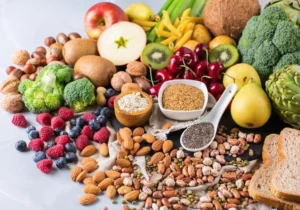
    The Science Behind Meal Frequency

    The traditional three-meals-a-day structure has been challenged in recent years by proponents of more frequent eating patterns. The theory behind eating smaller, more frequent meals primarily revolves around metabolic benefits, blood sugar control, and hunger management.

    For vegans specifically, several unique factors come into play. Plant-based diets typically contain more fiber and complex carbohydrates, which can affect digestion timing and nutrient absorption. Some research suggests that spreading plant protein intake throughout the day may help vegans optimize muscle protein synthesis, especially important since plant proteins often contain less leucine (a key amino acid for muscle building) than animal proteins.

    Potential Benefits for Vegans

    Steady Energy Levels

    Smaller, more frequent vegan meals may help maintain consistent blood sugar levels throughout the day. Since many plant foods have a lower glycemic index, combining them in smaller portions throughout the day could potentially provide a steady stream of energy.

    Improved Nutrient Absorption

    Some nutrients have absorption limits, meaning the body can only process so much at once. This is particularly relevant for iron and zinc, which can be less bioavailable in plant forms. Spacing intake throughout the day might improve overall absorption.

    Better Protein Distribution

    Research suggests that distributing protein intake evenly throughout the day may be more beneficial for muscle maintenance and growth than consuming most protein in one or two large meals, which is especially important for vegans who need to be mindful of getting adequate protein.

    Potential Drawbacks

    Digestive Considerations

    While smaller meals might be easier to digest for some, the high fiber content of a vegan diet could mean more frequent digestive activity throughout the day, which may not be ideal for everyone’s comfort or lifestyle.

    Time Commitment

    Preparing and consuming multiple meals requires more time and planning, which may not be practical for everyone’s schedule.

    Mindless Eating Risk

    More frequent eating opportunities can potentially lead to mindless consumption or difficulty tracking overall intake.

    What the Research Actually Shows

    Despite theoretical benefits, research on meal frequency isn’t entirely conclusive. Several studies comparing different meal frequencies (while keeping total calories constant) have found minimal differences in metabolic rate, weight management, or overall health outcomes.

    For vegans specifically, research is even more limited. Some studies suggest that vegans might benefit from more frequent protein feedings due to the nature of plant proteins, but robust clinical trials specifically examining meal frequency in vegan populations are lacking.

    Personalizing Your Approach

    Like many aspects of nutrition, the optimal meal frequency likely varies from person to person. Consider these factors when determining what works best for you:

    • Activity level and timing
    • Hunger and satiety cues
    • Digestive comfort
    • Personal schedule and lifestyle
    • Health goals

    Practical Tips for Implementation

    If you’re interested in trying smaller, more frequent vegan meals:

    1. Focus on nutrient density in each mini-meal
    2. Include protein sources in each eating occasion
    3. Plan ahead to ensure variety and convenience
    4. Listen to your body’s hunger and fullness signals
    5. Monitor energy levels, digestive comfort, and overall satisfaction

    Final Thoughts

    While there’s no definitive evidence that smaller, more frequent vegan meals are universally “healthiest,” this approach may offer benefits for some individuals. The quality of food choices, overall nutrient adequacy, and total energy balance likely matter far more than the specific timing or frequency of meals.

    The healthiest way to eat as a vegan—or anyone—is the pattern that helps you consistently consume nutritious foods, supports your energy needs, feels physically comfortable, and fits into your lifestyle. For some, that might mean six small meals; for others, three larger ones may work perfectly well.

    Remember that nutrition science continues to evolve, and what works best may change throughout different life stages and circumstances. The most sustainable approach is one that you can maintain long-term while meeting your nutritional needs and supporting your overall health goals.
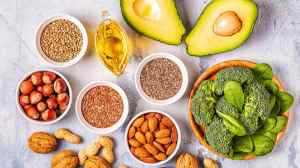

  • Omega-3 fatty acids are essential nutrients that support heart health, brain function, and reducing inflammation. While fatty fish like salmon and mackerel are often touted as the best sources, there are plenty of plant-based alternatives for those who don’t eat fish. Here’s how to boost your omega-3 intake without seafood.

    Understanding Plant-Based Omega-3s

    Plant sources primarily contain alpha-linolenic acid (ALA), which the body partially converts to EPA and DHA (the omega-3s found in fish). While this conversion is less efficient, consuming adequate plant sources can still significantly contribute to your omega-3 needs.

    Top Non-Fish Omega-3 Sources

    Flaxseeds and Flaxseed Oil

    Flaxseeds are omega-3 powerhouses, containing about 2.5 grams per tablespoon. Grind them fresh for maximum absorption or use cold-pressed flaxseed oil (which provides 7 grams per tablespoon). Add ground flaxseeds to smoothies, oatmeal, or yogurt, or use the oil in salad dressings.

    Chia Seeds

    These tiny seeds pack about 5 grams of omega-3s per ounce. They’re incredibly versatile—make chia pudding for breakfast, add them to smoothies, or use as an egg substitute in baking.

    Walnuts

    A quarter-cup serving provides about 2.7 grams of ALA. Enjoy them as a snack, chop them into salads, or blend into sauces and dips.

    Hemp Seeds

    With about 3 grams of omega-3s per tablespoon, hemp seeds have a mild, nutty flavor that works well in smoothies, on salads, or sprinkled over roasted vegetables.

    Algae Oil Supplements

    For those wanting the benefits of direct EPA and DHA (like in fish), algae oil supplements are the only plant-based source of these omega-3 types. This is what fish consume to accumulate their omega-3s in the first place!

    Everyday Ways to Incorporate Plant Omega-3s

    • Start your day with an omega-3 boost by adding ground flaxseeds, chia seeds, or walnuts to your breakfast cereal, yogurt, or smoothie
    • Use flaxseed oil in place of other oils in cold applications like salad dressings
    • Snack on walnuts instead of processed foods
    • Add hemp hearts to virtually any dish for a nutrient boost
    • Consider algae oil supplements for direct EPA and DHA intake

    Enhancing Omega-3 Absorption

    • Consume omega-3 foods with some healthy fat to improve absorption
    • Store nuts and seeds in the refrigerator to prevent rancidity
    • Grind flaxseeds just before eating for maximum nutritional benefit
    • Limit consumption of processed foods high in omega-6 fatty acids, which can compete with omega-3 absorption

    The Bottom Line

    You don’t need to eat fish to get heart-healthy omega-3s. By regularly incorporating these plant-based sources into your diet, you can maintain good omega-3 levels and support your overall health. As with any nutritional change, consistency is key—make these foods regular parts of your meals rather than occasional additions.

    For those with specific health concerns or conditions, consult with a healthcare provider about your omega-3 needs and whether supplementation might be beneficial alongside dietary sources.

  • Food dyes can be found in countless products we consume daily—from cereals and candies to beverages and baked goods. But concerns about their safety, particularly their potential link to cancer, have persisted for decades. Let’s examine what scientific research actually tells us about food dyes and cancer risk.

    Understanding Food Dyes

    Food dyes are color additives used to enhance or provide color to food products. In the United States, the FDA has approved nine synthetic dyes for use in food, including popular ones like Red 40, Yellow 5, and Blue 1. These are derived from petroleum and undergo strict safety testing before approval.

    The Scientific Evidence

    Current scientific consensus does not support a direct causal relationship between FDA-approved food dyes and cancer in humans. Here’s a breakdown of the research:

    Laboratory Studies

    Some laboratory studies using extremely high doses of certain dyes have shown potential concerns in animal models. For instance, early studies found that Red 3 caused thyroid tumors in rats when administered at thousands of times the amounts humans would typically consume. However, these findings don’t necessarily translate to human risk at normal consumption levels.

    Epidemiological Research

    Population studies have not established a clear link between normal consumption of approved food dyes and increased cancer risk. While some observational studies have suggested possible associations, these don’t demonstrate causation and often don’t account for other lifestyle factors.

    Regulatory Assessments

    Regulatory bodies worldwide, including the FDA and the European Food Safety Authority (EFSA), regularly review safety data on food dyes. While approaches differ—the EU requires warning labels on some dyes that the FDA considers safe—neither organization currently classifies approved food dyes as carcinogens at permitted levels.

    Why the Confusion?

    Several factors contribute to ongoing concerns:

    1. Historical context: Some dyes once approved for food use were later banned after research revealed safety issues.
    2. Conflation with other health concerns: Food dyes have been associated with behavioral issues in some children, which is a separate concern from cancer risk.
    3. Natural vs. synthetic perceptions: Many consumers assume that synthetic ingredients are inherently more dangerous than natural ones, though this isn’t always scientifically accurate.

    Should You Be Concerned?

    While current evidence doesn’t support avoiding food dyes specifically for cancer prevention, there are reasonable considerations:

    • Individuals with specific sensitivities may choose to avoid certain dyes.
    • Foods containing artificial dyes often tend to be highly processed, which may have other health implications.
    • The “precautionary principle” leads some consumers to avoid synthetic additives when possible.

    The Bottom Line

    Based on current scientific evidence, approved food dyes consumed at normal levels do not appear to pose a significant cancer risk for most people. However, research continues, and our understanding may evolve.

    If you’re concerned about food dyes, focusing on whole, unprocessed foods is a practical approach that limits exposure to synthetic additives while providing numerous other health benefits. As with most nutrition topics, moderation and a varied diet remain sound guidance.

    Remember that individual risk factors for cancer are complex and include genetics, lifestyle, environment, and overall dietary patterns—not just single ingredients.

  • When people hear “vegan diet,” one of the first questions that often comes to mind is, “But where do you get your protein?” It’s a common concern, but the truth is, with careful planning and knowledge, vegans can absolutely meet their protein needs and thrive nutritionally.

    Understanding Protein Requirements

    The average adult needs about 0.8 grams of protein per kilogram of body weight daily. For someone weighing 150 pounds (68 kg), that’s approximately 54 grams of protein per day. Athletes, pregnant women, and those building muscle may require more.

    Top Vegan Protein Sources

    Contrary to popular belief, plant-based diets offer a wide variety of protein-rich foods:

    1. Legumes: Powerhouses of protein
      • Lentils: 18 grams per cup
      • Black beans: 15 grams per cup
      • Chickpeas: 14.5 grams per cup
    2. Tofu and Tempeh
      • Firm tofu: 10-15 grams per half-cup
      • Tempeh: 15-20 grams per half-cup
    3. Grains with Protein Punch
      • Quinoa: 8 grams per cup
      • Oats: 6 grams per cup
      • Seitan: An impressive 25 grams per 3.5-ounce serving
    4. Nuts and Seeds
      • Almonds: 6 grams per ounce
      • Chia seeds: 4 grams per ounce
      • Hemp seeds: 10 grams per ounce

    Protein Combining: A Smart Strategy

    While animal proteins contain all essential amino acids, plant proteins often lack one or more. However, by combining different plant proteins throughout the day, you can easily create complete protein profiles. Classic combinations include:

    • Rice and beans
    • Hummus with whole wheat pita
    • Peanut butter on whole grain bread

    Supplementation and Protein Powders

    For those struggling to meet protein needs, vegan protein powders can be an excellent supplement. Options include:

    • Pea protein
    • Hemp protein
    • Brown rice protein
    • Blend protein powders for a complete amino acid profile

    Potential Challenges and Solutions

    Common Protein Intake Pitfalls

    • Relying too heavily on processed foods
    • Not diversifying protein sources
    • Underestimating protein needs

    Pro Tips

    • Track your protein intake using nutrition apps
    • Consult a registered dietitian specializing in plant-based nutrition
    • Incorporate protein-rich foods in every meal

    Myths Debunked

    Myth: Vegans can’t build muscle. Reality: Many professional athletes and bodybuilders follow plant-based diets and maintain impressive muscle mass.

    Myth: Plant proteins are inferior to animal proteins. Reality: Plant proteins can provide all essential amino acids when consumed strategically.

    Listen to Your Body

    Everyone’s nutritional needs are different. Pay attention to your energy levels, muscle recovery, and overall well-being. Regular blood tests can help ensure you’re meeting your nutritional requirements.

    Conclusion

    Getting enough protein on a vegan diet is not just possible—it’s relatively straightforward with the right knowledge and planning. Embrace the diversity of plant-based proteins, get creative in the kitchen, and enjoy the journey of nourishing your body compassionately and effectively.

    Disclaimer: Always consult with a healthcare professional or registered dietitian before making significant changes to your diet.

  • When people hear “vegan diet,” one of the first questions that often comes to mind is, “But where do you get your protein?” It’s a common concern, but the truth is, with careful planning and knowledge, vegans can absolutely meet their protein needs and thrive nutritionally.

    Understanding Protein Requirements

    The average adult needs about 0.8 grams of protein per kilogram of body weight daily. For someone weighing 150 pounds (68 kg), that’s approximately 54 grams of protein per day. Athletes, pregnant women, and those building muscle may require more.

    Top Vegan Protein Sources

    Contrary to popular belief, plant-based diets offer a wide variety of protein-rich foods:

    1. Legumes: Powerhouses of protein
      • Lentils: 18 grams per cup
      • Black beans: 15 grams per cup
      • Chickpeas: 14.5 grams per cup
    2. Tofu and Tempeh
      • Firm tofu: 10-15 grams per half-cup
      • Tempeh: 15-20 grams per half-cup
    3. Grains with Protein Punch
      • Quinoa: 8 grams per cup
      • Oats: 6 grams per cup
      • Seitan: An impressive 25 grams per 3.5-ounce serving
    4. Nuts and Seeds
      • Almonds: 6 grams per ounce
      • Chia seeds: 4 grams per ounce
      • Hemp seeds: 10 grams per ounce

    Protein Combining: A Smart Strategy

    While animal proteins contain all essential amino acids, plant proteins often lack one or more. However, by combining different plant proteins throughout the day, you can easily create complete protein profiles. Classic combinations include:

    • Rice and beans
    • Hummus with whole wheat pita
    • Peanut butter on whole grain bread

    Supplementation and Protein Powders

    For those struggling to meet protein needs, vegan protein powders can be an excellent supplement. Options include:

    • Pea protein
    • Hemp protein
    • Brown rice protein
    • Blend protein powders for a complete amino acid profile

    Potential Challenges and Solutions

    Common Protein Intake Pitfalls

    • Relying too heavily on processed foods
    • Not diversifying protein sources
    • Underestimating protein needs

    Pro Tips

    • Track your protein intake using nutrition apps
    • Consult a registered dietitian specializing in plant-based nutrition
    • Incorporate protein-rich foods in every meal

    Myths Debunked

    Myth: Vegans can’t build muscle. Reality: Many professional athletes and bodybuilders follow plant-based diets and maintain impressive muscle mass.

    Myth: Plant proteins are inferior to animal proteins. Reality: Plant proteins can provide all essential amino acids when consumed strategically.

    Listen to Your Body

    Everyone’s nutritional needs are different. Pay attention to your energy levels, muscle recovery, and overall well-being. Regular blood tests can help ensure you’re meeting your nutritional requirements.

    Conclusion

    Getting enough protein on a vegan diet is not just possible—it’s relatively straightforward with the right knowledge and planning. Embrace the diversity of plant-based proteins, get creative in the kitchen, and enjoy the journey of nourishing your body compassionately and effectively.

    Disclaimer: Always consult with a healthcare professional or registered dietitian before making significant changes to your diet.

  • Recent research from Harvard University has revealed compelling evidence that plant-based diets may significantly contribute to healthier aging. The comprehensive study examined the relationship between dietary patterns and various markers of health in older adults, finding that those who primarily consumed plant-based foods demonstrated better health outcomes across multiple dimensions.

    Key Findings from the Harvard Research

    The Harvard research team tracked thousands of participants over several years, analyzing their dietary habits and various health metrics. The results showed that individuals who consumed predominantly plant-based diets—rich in fruits, vegetables, whole grains, nuts, and legumes—exhibited better cardiovascular health, lower inflammation levels, and improved cognitive function compared to those following more animal-product-heavy diets.

    Particularly noteworthy was the study’s finding that consistent adherence to plant-based eating patterns was associated with a reduced risk of age-related diseases including type 2 diabetes, hypertension, and certain forms of dementia. Researchers observed that participants following plant-based diets for ten or more years showed biological markers suggesting a slower rate of cellular aging.

    The Science Behind Plant Power

    What makes plant-based diets so beneficial for healthy aging? According to the Harvard scientists, several factors contribute to these positive outcomes:

    The high antioxidant content in fruits and vegetables helps combat oxidative stress—a key driver of aging at the cellular level. Plant foods are also rich in phytonutrients that have been shown to reduce inflammation, which is increasingly recognized as a fundamental contributor to age-related decline.

    Additionally, the fiber abundant in plant foods supports gut health, which emerging research suggests plays a crucial role in overall health, immunity, and even cognitive function. The researchers noted that study participants with the highest fiber intake demonstrated the most favorable gut microbiome profiles.

    Practical Applications for Everyday Life

    The researchers emphasized that one doesn’t need to adopt a strictly vegan lifestyle to reap benefits. Even incremental shifts toward more plant-based eating showed positive effects on health markers. The study suggested that replacing just 10% of animal-based foods with plant alternatives could yield measurable improvements in health outcomes for older adults.

    Simple dietary adjustments recommended by the researchers include:

    • Incorporating legumes like beans and lentils as protein sources several times a week
    • Adding a variety of colorful vegetables to daily meals
    • Choosing whole grains over refined carbohydrates
    • Including nuts and seeds as snacks and meal additions

    Looking Forward

    This Harvard study adds to a growing body of evidence supporting the benefits of plant-predominant diets for longevity and quality of life in aging populations. The researchers plan to continue following their cohort to determine if the observed benefits persist or even increase over longer periods.

    While nutrition science continues to evolve, this research provides compelling evidence that incorporating more plants into our diets may be one of the most effective strategies for supporting health as we age.

  • In recent years, the relationship between diet and mental health has gained significant attention. With the rising popularity of plant-based eating, many wonder if vegan food can actually boost serotonin levels and help combat depression. Let’s explore what the science tells us about this connection.

    The Serotonin-Diet Connection

    Serotonin, often called the “happy chemical,” is a neurotransmitter that regulates mood, sleep, and appetite. While most serotonin is produced in the gut, the brain requires a steady supply of tryptophan, an essential amino acid, to produce serotonin. This creates an important link between what we eat and how we feel.

    Can Vegan Foods Boost Serotonin?

    Several plant-based foods contain nutrients that support serotonin production:

    Tryptophan-rich vegan foods: Tofu, tempeh, nuts (especially cashews and walnuts), seeds (particularly pumpkin and chia), and legumes provide tryptophan, the precursor to serotonin.

    Folate and B vitamins: Leafy greens, legumes, and nutritional yeast contain B vitamins that play crucial roles in neurotransmitter production.

    Complex carbohydrates: Whole grains like oats, quinoa, and brown rice can help tryptophan cross the blood-brain barrier by triggering insulin release, which clears competing amino acids from the bloodstream.

    Antioxidant-rich foods: Berries, colorful vegetables, and dark chocolate (yes, some dark chocolate is vegan!) help reduce inflammation, which has been linked to depression.

    What Research Shows

    The evidence for vegan diets specifically treating depression shows mixed but promising results:

    A 2019 meta-analysis published in the journal Nutritional Neuroscience found that plant-based diets were associated with lower rates of depression, anxiety, and stress.

    SMILES trial researchers discovered that participants with moderate to severe depression who improved their diet (including more plant foods) showed significantly better mental health outcomes compared to a control group.

    However, strict vegan diets that lack proper planning can lead to deficiencies in vitamin B12, omega-3 fatty acids, zinc, and iron—all nutrients important for mental health.

    Beyond Serotonin: Other Mental Health Benefits

    A plant-based diet’s impact on mental health extends beyond serotonin:

    Gut microbiome enhancement: Plant foods are rich in fiber, which feeds beneficial gut bacteria. The gut-brain axis connection means a healthy microbiome can positively influence mood.

    Reduced inflammation: Chronic inflammation has been linked to depression, and plant foods typically have anti-inflammatory properties.

    Stable blood sugar: Whole plant foods help maintain steady blood glucose levels, preventing mood swings associated with blood sugar fluctuations.

    Practical Considerations

    If you’re considering a vegan diet for mental health benefits:

    • Ensure adequate protein from varied sources
    • Supplement with vitamin B12, which is essential for neurological function
    • Include plant sources of omega-3s like flaxseeds, walnuts, and algae
    • Consider vitamin D supplementation, especially if you have limited sun exposure
    • Maintain adequate caloric intake—undereating can worsen mood

    The Verdict

    While a vegan diet isn’t a magic cure for depression, evidence suggests that a well-planned plant-based diet can support mental health through multiple pathways. The key word is “well-planned”—a vegan diet consisting of processed foods, sugars, and refined carbohydrates likely won’t provide the same benefits as one rich in whole foods, lean plant proteins, healthy fats, and abundant produce.

    For those battling depression, dietary changes should be viewed as one component of a comprehensive approach that may include therapy, medication when appropriate, regular exercise, stress management, and adequate sleep.

    As with any significant dietary change, it’s best to consult healthcare providers, especially if you’re currently managing depression or other mental health conditions.

  • The suggestion to “just stop” eating meat and burning fossil fuels sounds straightforward in theory but faces complex realities in practice. Both activities are deeply embedded in our global systems, economies, and cultures, making rapid transitions extraordinarily challenging.

    The Meat Industry’s Deep Roots

    Our food systems have evolved around animal agriculture for thousands of years. Today, this manifests as:

    • Economic dependencies: Millions of livelihoods worldwide depend on livestock farming and related industries
    • Food security concerns: Animal products provide critical nutrition in regions with limited plant-growing capacity
    • Cultural significance: Meat features prominently in countless cultural traditions and cuisines
    • Infrastructure investment: Massive existing systems designed specifically for meat production

    For many communities, particularly in developing regions, livestock represents not just food but financial security, social status, and agricultural necessity.

    Fossil Fuel Dependencies Run Deep

    Similarly, fossil fuels form the backbone of modern civilization:

    • Energy infrastructure: Our electricity generation, transportation networks, and industrial processes rely heavily on fossil fuels
    • Economic considerations: Many nations’ economies depend on fossil fuel production
    • Technology limitations: Renewable alternatives, while improving rapidly, can’t yet fully replace fossil fuels in all applications
    • Global inequality: Developing nations seeking economic growth face difficult tradeoffs between development goals and emission reductions

    The energy transition requires rebuilding fundamental systems that took over a century to develop.

    The Path Forward: Evolution, Not Revolution

    Rather than an immediate stop, what’s needed is a thoughtful, managed transition that:

    1. Acknowledges systemic complexities and provides support for affected communities
    2. Develops viable alternatives that meet diverse global needs
    3. Creates economic incentives that align with environmental goals
    4. Respects cultural traditions while encouraging sustainable innovations
    5. Addresses inequities in how transition costs and benefits are distributed

    Progress likely requires incremental changes: reducing meat consumption rather than eliminating it, transitioning to clean energy while carefully managing economic impacts, and building new systems alongside existing ones.

    The challenge isn’t simply technological or environmental but fundamentally social and economic. We must navigate complex tradeoffs while acknowledging that what works in wealthy urban centers may not work in rural or developing regions.

  • The relationship between animal agriculture and climate change represents one of the most contentious yet crucial environmental policy areas facing governments today. Despite mounting scientific evidence linking meat and dairy production to significant greenhouse gas emissions, policy responses have been notably cautious and incremental.

    The Climate Impact of Animal Agriculture

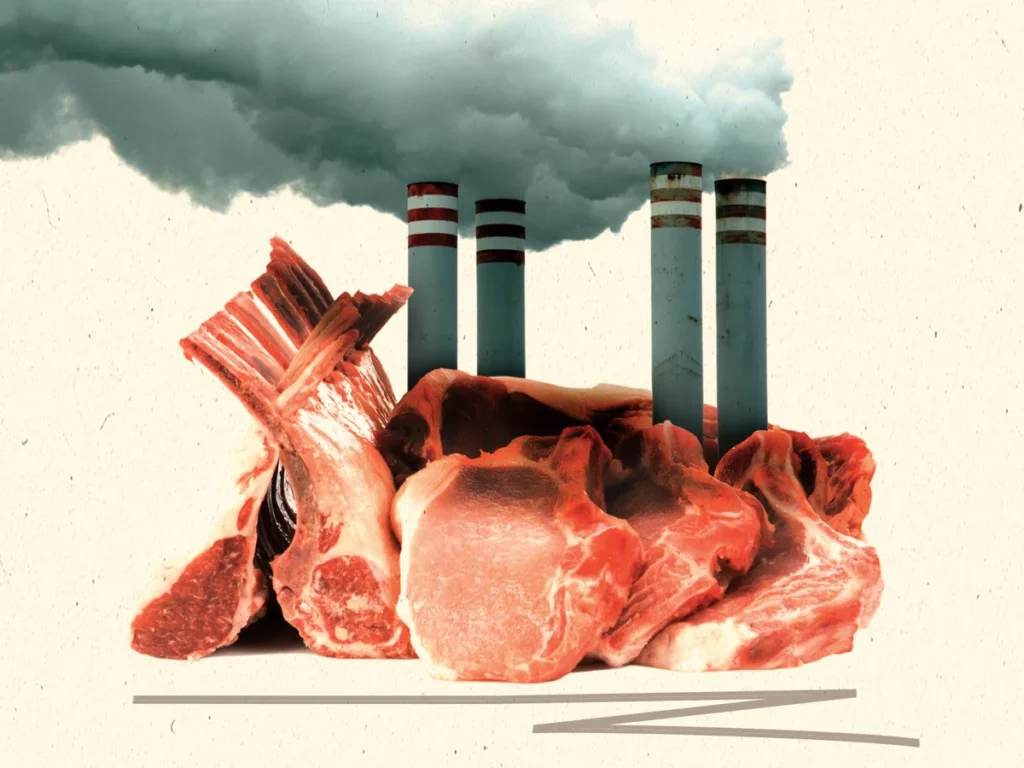
    Animal agriculture contributes approximately 14.5% of global greenhouse gas emissions according to the FAO. This comes from multiple sources: methane from cattle digestion, nitrous oxide from manure management, and carbon dioxide from land use changes for pasture and feed crops. Beef and dairy production are particularly emission-intensive, with beef generating about 60 kg of greenhouse gases per kg of protein produced – significantly higher than plant-based alternatives.

    The environmental footprint extends beyond emissions. Animal agriculture is a major driver of deforestation, biodiversity loss, water pollution, and inefficient land use. One hectare used for beef production could produce significantly more plant-based protein while requiring far less water and generating fewer emissions.

    Policy Hesitation

    Despite these environmental concerns, governments worldwide have been reluctant to implement strong measures targeting meat and dairy consumption. Several factors explain this hesitation:

    • Economic importance: The meat and dairy sectors employ millions globally and represent significant economic activities in many regions.
    • Cultural significance: Meat consumption is deeply embedded in many food cultures and dietary practices.
    • Political sensitivity: Farmers and agricultural industries wield considerable political influence in many countries.
    • Consumer resistance: Many consumers remain resistant to changing dietary habits or paying higher prices.

    Emerging Policy Approaches

    Despite the challenges, we’re seeing gradual policy movement in several areas:

    1. Public procurement: Some governments are introducing sustainability criteria for public food procurement, including lower-carbon menu options in schools and government facilities.
    2. Consumer information: Initiatives to introduce carbon labeling on food products are gaining traction, though implementation remains fragmented.
    3. Research funding: Increased investment in alternative proteins, including plant-based meat substitutes and cellular agriculture.
    4. Agricultural subsidies: Early discussions about reforming agricultural support programs to incentivize lower-emission farming practices.

    Will Meaningful Action Finally Emerge?

    Recent climate commitments suggest governments may be preparing for more decisive action. The inclusion of food systems in climate strategies is becoming more prominent, and the economic case for intervention is strengthening as climate impacts intensify.

    Several factors may accelerate policy development:

    • Growing consumer awareness and changing preferences, particularly among younger demographics
    • Technological advances making alternative proteins more competitive
    • Increasing corporate commitments to sustainability in food supply chainsPost
    • Rising climate litigation pressure

    The Path Forward

    Rather than binary choices between meat production or elimination, effective policy will likely emphasize transition and balance. This includes supporting farmers in adopting more sustainable practices, developing alternative protein industries, and gradually shifting consumption patterns through education, incentives, and innovation.

    The question isn’t whether governments will act, but how comprehensively and how quickly. The climate crisis demands more than symbolic gestures, but meaningful reform requires navigating complex economic, cultural, and political realities that can’t be overlooked.

    The coming years will reveal whether governments are finally prepared to address one of the most challenging dimensions of climate policy.

  • Introduction

    The question of whether humanity should continue consuming meat at current levels sits at the intersection of environmental science, ethics, public health, and cultural tradition. As our understanding of meat production’s environmental impact deepens, many argue that reducing or eliminating meat consumption represents a necessary step toward environmental sustainability. Others contend that the issue is more nuanced, with considerations beyond simple environmental metrics. This debate touches on fundamental aspects of human society—from agricultural practices that have sustained civilizations for millennia to emerging technologies that might transform our food systems entirely.

    The Environmental Case Against Meat

    The environmental argument against meat production rests on several well-documented impacts:

    Greenhouse Gas Emissions

    Livestock agriculture contributes approximately 14.5% of global greenhouse gas emissions according to the Food and Agriculture Organization (FAO). This comes from various sources:

    Methane from ruminant digestion (particularly cattle) represents a potent greenhouse gas with 25-28 times the warming potential of carbon dioxide over a 100-year period. Animal waste management systems and manure deposited on pastures release additional methane and nitrous oxide. The conversion of forests to grazing land or feed crop production releases stored carbon while eliminating future carbon sequestration potential.

    Land Use and Deforestation

    Approximately 70% of agricultural land is devoted to livestock production, including grazing land and cropland for animal feed. This represents about 30% of Earth’s ice-free land surface. The expansion of livestock production drives around 80% of Amazon deforestation, with cattle ranching as the primary driver. This habitat conversion represents one of the leading threats to biodiversity worldwide.

    Water Usage and Pollution

    The water footprint of meat products substantially exceeds that of plant foods—producing 1kg of beef requires approximately 15,000 liters of water when accounting for feed production, drinking water, and processing. Agricultural runoff from animal operations contributes to water pollution through nitrogen and phosphorus loading, leading to eutrophication of waterways and coastal dead zones.

    The Complex Reality: Beyond Simple Metrics

    While these environmental impacts are significant, several nuances complicate the debate:

    Not All Meat Production Is Equal

    Industrialized feedlot systems generate different environmental impacts than regenerative grazing practices. Some regenerative agriculture advocates argue that properly managed livestock can actually help sequester carbon, build soil health, and restore grassland ecosystems. Extensive grazing systems in regions unsuitable for crop production can convert otherwise unusable land into human-accessible nutrition.

    Cultural and Economic Dimensions

    Livestock production represents a critical economic and nutritional resource in many developing regions where alternatives are limited. For many indigenous and traditional cultures worldwide, animal husbandry represents not just food production but cultural heritage and identity. The infrastructure and knowledge required for plant-based alternatives remain unevenly distributed globally.

    Nutritional Considerations

    Animal products provide highly bioavailable forms of certain nutrients, including vitamin B12, complete proteins, heme iron, and omega-3 fatty acids. While well-planned plant-based diets can meet nutritional needs, this requires education and access to diverse food sources that aren’t universally available.

    Potential Pathways Forward

    The meat debate likely requires more nuanced approaches than simple binary positions:

    Reduced Consumption Models

    “Flexitarian” approaches that substantially reduce but don’t eliminate meat consumption could achieve significant environmental benefits while accommodating nutritional and cultural preferences. The EAT-Lancet Commission suggests a “planetary health diet” that includes small amounts of animal products alongside predominantly plant-based foods.

    Technological Innovation

    Cultivated meat (grown from animal cells without raising animals) could potentially address many environmental concerns while maintaining familiar food products. Plant-based meat alternatives continue to improve in taste, texture, and nutritional profiles. Improved livestock breeding and management practices could reduce emissions per unit of production.

    Policy and Market Approaches

    Carbon pricing that accounts for the environmental externalities of different production systems could create market incentives for more sustainable practices. Redirecting agricultural subsidies toward environmentally beneficial practices could accelerate transitions without banning specific foods. International cooperation on deforestation prevention could address one of meat production’s most harmful impacts.

    Ethical Dimensions Beyond Environment

    The meat debate extends beyond environmental considerations to include:

    Animal Welfare

    The moral consideration of animal suffering forms a central pillar in arguments against meat consumption, regardless of environmental impacts. However, views on the moral status of animals vary widely across philosophical traditions and cultures.

    Human Livelihoods

    Any transition away from meat production must account for the approximately 1.3 billion people globally whose livelihoods depend on livestock systems. Just transition frameworks would need to address economic dislocations for farmers, ranchers, and meat processing workers.

    Food Sovereignty

    The right of communities to define their own food systems represents an important consideration in global food policy. Solutions imposed without respect for local decision-making may create unintended consequences and resistance.

    Conclusion

    The question of whether ending meat consumption is necessary for planetary health defies simple answers. The environmental evidence clearly indicates that current levels of meat production—particularly through industrial systems—contribute substantially to climate change, biodiversity loss, and resource depletion. However, the path forward likely involves a mosaic of approaches rather than a single global solution.

    Rather than framing the debate as “meat versus no meat,” perhaps we should ask how to transform food systems holistically toward greater sustainability, resilience, and ethical consideration. This might include substantial reductions in meat consumption in wealthy countries, technological innovations in production methods, and context-specific solutions that respect both ecological realities and human needs.

    What seems clear is that maintaining the status quo is not an option if we hope to address our interconnected environmental crises. The question becomes not whether change is necessary, but what form that change should take, and how we can ensure it happens equitably across our diverse global society.