For many vegans and plant-based enthusiasts, finding suitable wine can be surprisingly challenging. Traditional winemaking often involves animal-derived fining agents like egg whites, gelatin, or isinglass. Fortunately, the UK market now offers an impressive selection of vegan-friendly wines that won’t break the bank. Here’s my guide to affordable vegan wines you can easily find across Britain.
Why Aren’t All Wines Vegan?
Before diving into recommendations, it’s worth understanding why many wines aren’t vegan. During production, winemakers use fining agents to remove unwanted particles, improving clarity and flavor. Traditionally, these agents included:
Egg whites (albumin)
Fish bladder (isinglass)
Gelatin
Casein (milk protein)
Vegan wines use alternative fining agents like bentonite clay, activated charcoal, or plant-based options—or skip fining altogether.
Supermarket Finds Under £10
Tesco
Tesco Finest Soave (£7-8) – A crisp Italian white with notes of peach and almond
Tesco Côtes du Rhône (£6-7) – A smooth, medium-bodied red that pairs brilliantly with plant-based pasta dishes
Sainsbury’s
Taste the Difference Languedoc Red (£7-8) – Bold and fruity with a hint of spice
Sainsbury’s House Sauvignon Blanc (£5-6) – An incredible value vegan white with zesty citrus notes
Aldi
Exquisite Collection Argentinian Malbec (£6-7) – Rich and full-bodied with plum and blackberry flavors
Extra Special Pinot Grigio (£6-7) – Dry and refreshing with subtle pear notes
Extra Special Chilean Merlot (£7-8) – Smooth red with chocolate and dark fruit flavors
Co-op
Irresistible Fairtrade Malbec (£7-8) – Ethically sourced and vegan-friendly with rich berry flavors
Truly Irresistible Prosecco (£8-9) – A celebratory vegan fizz at a reasonable price
Specialist Options Under £15
Majestic Wine
Definition Chenin Blanc (£10-12) – South African white with honeyed notes and balanced acidity
Les Jamelles Pinot Noir (£9-10) – Lighter red with cherry and raspberry notes
Online Specialists
Vintage Roots Organic Tempranillo (£10-11) – Organic, vegan Spanish red
Waitrose Loved & Found Arinto (£8-9) – Portuguese white with citrus and mineral character
How to Identify Vegan Wines
Finding vegan wines is getting easier:
Look for “vegan” or “vegan friendly” on the label
Check for the Vegan Society trademark
Use apps like Barnivore to scan bottles in-store
Many supermarkets now label their own-brand wines as vegan where applicable
The Rise of Vegan Winemaking
The UK vegan wine market is growing rapidly. Many winemakers are switching to vegan production methods not just to cater to vegans but because modern plant-based fining agents often produce superior results. This shift means more choice and better quality at affordable prices.
Final Tips
Don’t assume price equals quality—many excellent vegan wines are available under £10
Box wines offer even better value and many are vegan (check the label)
Local wine shops often have knowledgeable staff who can point you to vegan options
Consider joining a vegan wine club for regular deliveries of vetted vegan wines
With supermarkets and wine merchants increasingly labeling their vegan options, enjoying cruelty-free wine doesn’t require a special trip or premium budget. Next time you’re shopping, keep this guide handy and explore the wonderful world of affordable vegan wines available throughout the UK.
The good news is that veganism could quite literally save the Earth, by freeing up space for nature and combating the planet’s land use crisis. Researchers at the University of Oxford have found that if everyone went vegan, global farmland use could be reduced by 75%, the size of the US, China, Australia and the EU combined. If our protein needs were met with soy instead of animals, deforestation would fall by 94%. By stopping deforestation and increasing reforestation instead, we could achieve 23% of the climate mitigation needed for a two degrees Celsius scenario.
Veganism—a lifestyle that seeks to exclude animal products in diet, clothing, and other aspects of life—has gained significant momentum in recent years. What was once considered a fringe movement has evolved into a global phenomenon with the potential to create profound change. But how exactly can veganism impact our world? Let’s explore the transformative power of plant-based living.
Environmental Impact
The environmental case for veganism is compelling. Animal agriculture is a leading contributor to greenhouse gas emissions, with the UN’s Food and Agriculture Organization estimating that livestock accounts for 14.5% of global emissions. A shift toward plant-based diets could significantly reduce these emissions.
Water usage presents another critical environmental consideration. Producing animal products typically requires substantially more water than growing plants. For example, it takes approximately 1,800 gallons of water to produce one pound of beef, compared to just 200 gallons for a pound of soybeans.
Land use efficiency improves dramatically with plant-based agriculture. The land currently used for livestock and feed crops could be partially rewilded or repurposed for more efficient food production, potentially addressing food security challenges while restoring biodiversity.
Health Benefits
Adopting a balanced vegan diet often leads to increased consumption of fruits, vegetables, whole grains, and legumes—foods associated with numerous health benefits. Research has linked well-planned vegan diets to lower rates of heart disease, certain cancers, and type 2 diabetes.
The World Health Organization has classified processed meat as a Group 1 carcinogen. By eliminating these products, vegans may reduce their cancer risk while typically consuming more fiber and antioxidants than the average omnivore.
A global shift toward more plant-based eating could potentially reduce healthcare costs and improve public health outcomes across populations.
Ethical Considerations
At its core, veganism represents an ethical stance against animal exploitation. Modern animal agriculture often involves intensive farming practices that raise serious welfare concerns. By choosing plant-based alternatives, vegans withdraw support from these systems.
This ethical framework extends beyond food choices to other consumer products, encouraging more thoughtful consumption patterns that consider the impact of our choices on other living beings.
Economic Transformation
The rise of veganism has already sparked innovation across multiple industries. Plant-based food technology has created new markets and job opportunities, with the global plant-based food market projected to continue its rapid growth.
As demand patterns shift, we’re witnessing the emergence of sustainable businesses built around plant-based solutions—from restaurants and food products to clothing and cosmetics. This economic transformation represents not just changing consumer preferences but the potential for a more sustainable economic model.
Cultural Shift
Perhaps the most profound impact of veganism lies in its power to change how we think about our relationship with animals and our environment. By questioning long-held assumptions about what we eat and how we interact with other species, veganism encourages a broader cultural examination of our place in the natural world.
This shift in perspective may be veganism’s most lasting contribution—fostering greater awareness of our interconnectedness with all life on Earth and our responsibility as stewards of the planet.
Challenges and the Path Forward
Despite its potential benefits, widespread adoption of veganism faces significant challenges, including cultural traditions centered around animal products, concerns about nutritional adequacy, and accessibility issues in food deserts and lower-income communities.
Moving forward requires addressing these challenges through education, innovation, and policy changes that make plant-based options more accessible to all. Rather than an all-or-nothing approach, encouraging incremental shifts toward more plant-based eating may prove most effective in creating lasting change.
Conclusion
Veganism offers a powerful response to some of our most pressing global challenges—from climate change and biodiversity loss to public health crises and ethical concerns about animal welfare. While no single lifestyle choice can solve all the world’s problems, the growing adoption of plant-based living represents a meaningful step toward a more sustainable, compassionate, and healthy world.
Whether adopted fully or partially, the principles of veganism invite us all to consider the impact of our daily choices and the kind of world we wish to create for future generations.
Can a Vegan Diet Help With Autoimmune Disease Symptoms? Understanding the Science Behind Plant-Based Eating and Inflammation
Living with an autoimmune disease often means navigating a complex relationship with food and inflammation. As more people explore dietary approaches to managing their symptoms, plant-based eating has garnered increasing attention. Let’s explore what the research tells us about the potential benefits and considerations of a vegan diet for autoimmune conditions.
The Inflammation Connection
Autoimmune diseases are characterized by the immune system mistakenly attacking healthy cells, leading to chronic inflammation. What we eat can significantly impact inflammation levels in our bodies. Plant-based diets are naturally rich in anti-inflammatory compounds like antioxidants, polyphenols, and fiber, which may help reduce systemic inflammation.
What the Research Shows
Several studies have shown promising results regarding plant-based diets and autoimmune conditions. For example, research has found that people with rheumatoid arthritis often report reduced joint pain and improved mobility when following a vegan diet. Similarly, some studies suggest that plant-based eating may help manage symptoms of multiple sclerosis, lupus, and other autoimmune conditions.
Key Benefits of a Vegan Diet for Autoimmune Conditions
Increased Fiber Intake Fiber feeds beneficial gut bacteria, which play a crucial role in immune system regulation. A healthy gut microbiome may help reduce inflammation and improve autoimmune symptoms.
Elimination of Common Trigger Foods Many animal products contain compounds that can trigger inflammation in sensitive individuals. A vegan diet naturally eliminates dairy, eggs, and meat products that some people with autoimmune conditions find problematic.
Higher Antioxidant Content Plant foods are rich in antioxidants that help combat oxidative stress and inflammation. Foods like berries, leafy greens, and colorful vegetables provide particularly high levels of these protective compounds.
Important Considerations
While a vegan diet shows promise for managing autoimmune symptoms, it’s essential to approach any dietary change thoughtfully:
Nutrient Adequacy Those with autoimmune conditions must ensure they’re getting adequate nutrients, particularly vitamin B12, iron, zinc, and vitamin D. These nutrients can be obtained through fortified foods or supplements on a vegan diet.
Individual Variation Not everyone responds the same way to dietary changes. Some people with autoimmune conditions may find that certain plant foods, such as nightshades or legumes, trigger their symptoms.
Quality Matters A whole-food, plant-based approach focusing on minimally processed foods is likely to be more beneficial than a vegan diet heavy in processed alternatives.
Practical Implementation
If you’re considering trying a vegan diet to help manage autoimmune symptoms, consider these steps:
Consult Healthcare Providers Work with your healthcare team to ensure a vegan diet is appropriate for your specific condition and circumstances.
Start Gradually Consider transitioning slowly to allow your body to adjust and to better identify which changes impact your symptoms.
Keep a Symptom Journal Track your symptoms, energy levels, and any changes you notice as you modify your diet.
Focus on Nutrient-Dense Foods Include a variety of colorful vegetables, fruits, whole grains, legumes, nuts, and seeds to ensure comprehensive nutrition.
Additional Lifestyle Factors
Remember that diet is just one piece of the puzzle. Managing autoimmune conditions typically requires a comprehensive approach that includes:
Adequate sleep
Stress management
Regular gentle exercise
Proper medication management
Social support
The Bottom Line
While a vegan diet shows promise for helping manage autoimmune symptoms, it’s not a cure-all or guaranteed solution for everyone. The relationship between diet and autoimmune disease is complex and highly individual. Some people may find significant relief from symptoms on a plant-based diet, while others might need different approaches.
If you’re interested in exploring how a vegan diet might help with your autoimmune condition, work with healthcare providers who can help you make informed decisions and ensure your nutritional needs are met. They can help you develop a personalized approach that takes into account your specific condition, symptoms, and overall health goals.
Remember that managing an autoimmune condition is a journey, and dietary changes are just one tool in your toolkit. Be patient with yourself as you explore what works best for your body, and stay open to adjusting your approach as needed.
According to Hunnes, anti-inflammatory vegan foods that could help manage autoimmune flare-ups include:
1) Whole grains
Whole grains are what you get when all three layers of the kernel—bran, endosperm, and germ—have been left intact. Whole grains are a good source of complex carbohydrates, fiber, protein, iron, B vitamins, antioxidants, polyphenols, and other minerals.
Refined grains, on the other hand, have been stripped down to just the endosperm, removing most of the nutrients. This is why so many white bread and pasta products are enriched with added vitamins and minerals.
It’s especially common for people with autoimmune diseases to go gluten-free. In this case, you should avoid whole wheat, rye, barley, farro, spelt, freekeh, wheat berries, and couscous, which is made from durum wheat.
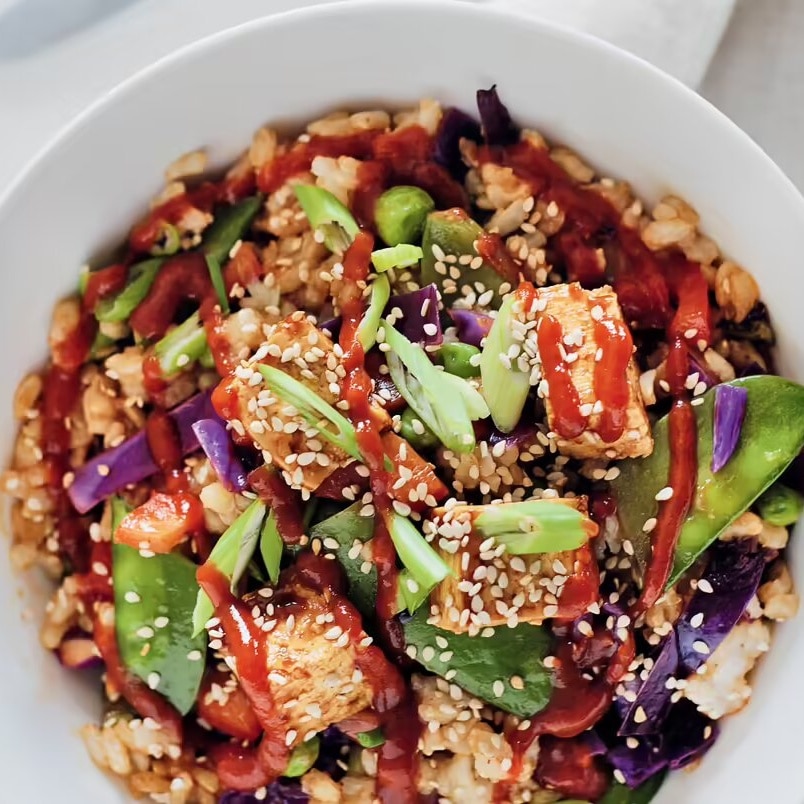
Gluten-free whole grains include brown rice (hello, vegetable fried rice with tofu!), oats, buckwheat, quinoa, sorghum, and millet. Most supermarkets carry pasta, bread, and cereal made from gluten-free whole grains.
Canva
2) Nuts and seeds
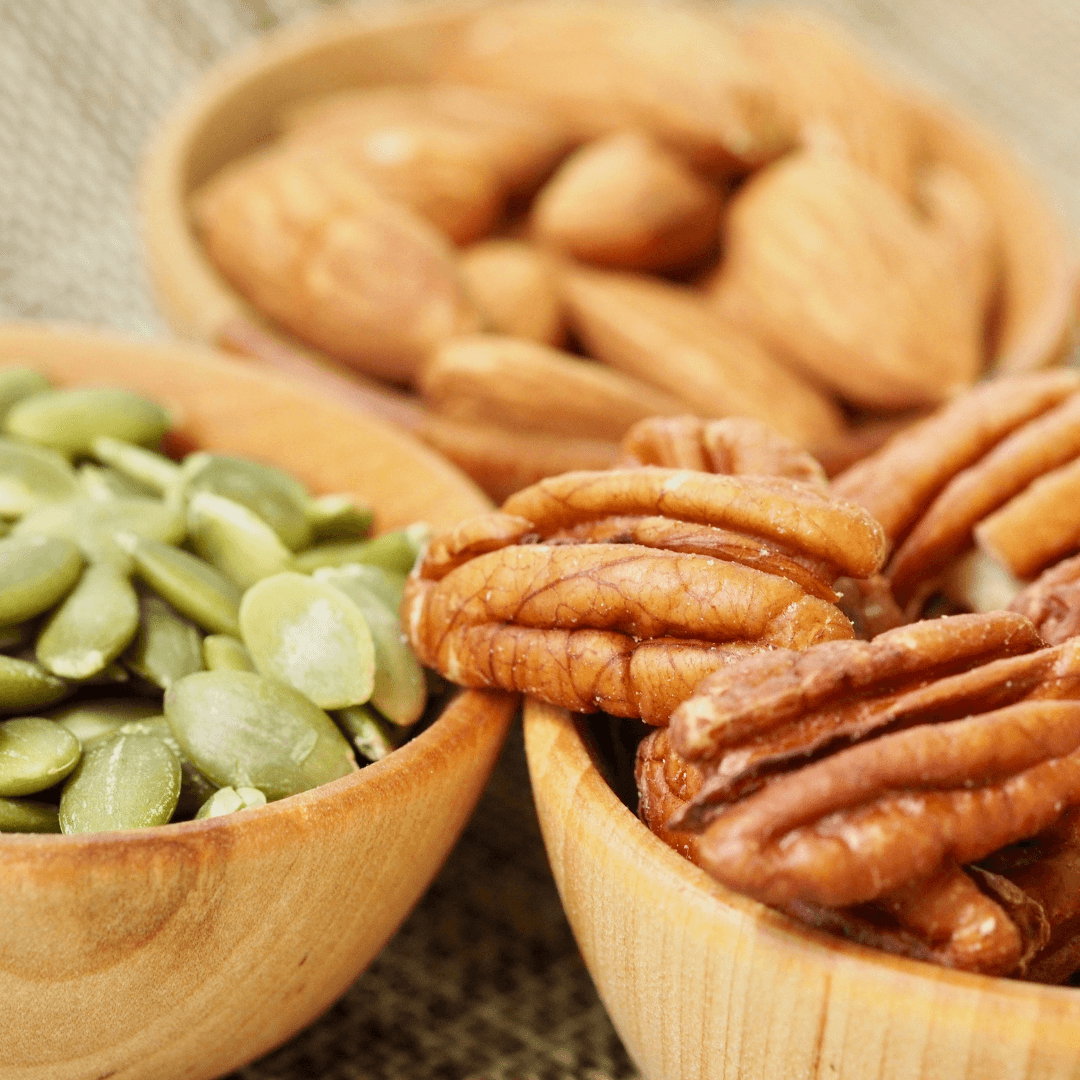
Many nuts and seeds contain flavonoids, antioxidants like vitamin E, and other plant compounds that help fight inflammation. They also contain heart-healthy unsaturated fatty acids, including omega-3, which research suggests can protect from inflammation as well.
Add a wide variety of nuts and seeds to your diet, such as walnuts, almonds, chia seeds, flaxseeds, pistachios, and pecans. A small handful of nuts or seeds is roughly a serving and can make a good snack. Nut butter is a great mix-in for oatmeal and smoothies.
3) Legumes
Legumes—which include lentils and beans—are rich in fiber, protein, and other anti-inflammatory compounds. Due to their inflammation-reducing nature, legumes are recommended for heart-healthy diets, too. Recent research suggests that legumes contain bioactive compounds with antioxidant and anti-inflammatory properties, so they could be used to treat symptoms of arthritis and other inflammatory diseases.
There are literally thousands of types of legumes in the world. But, some of the most common types include chickpeas, black beans, pigeon peas, white beans, soybeans and soy products, mung beans, red lentils, brown lentils, split peas, and more.
4) Fruit
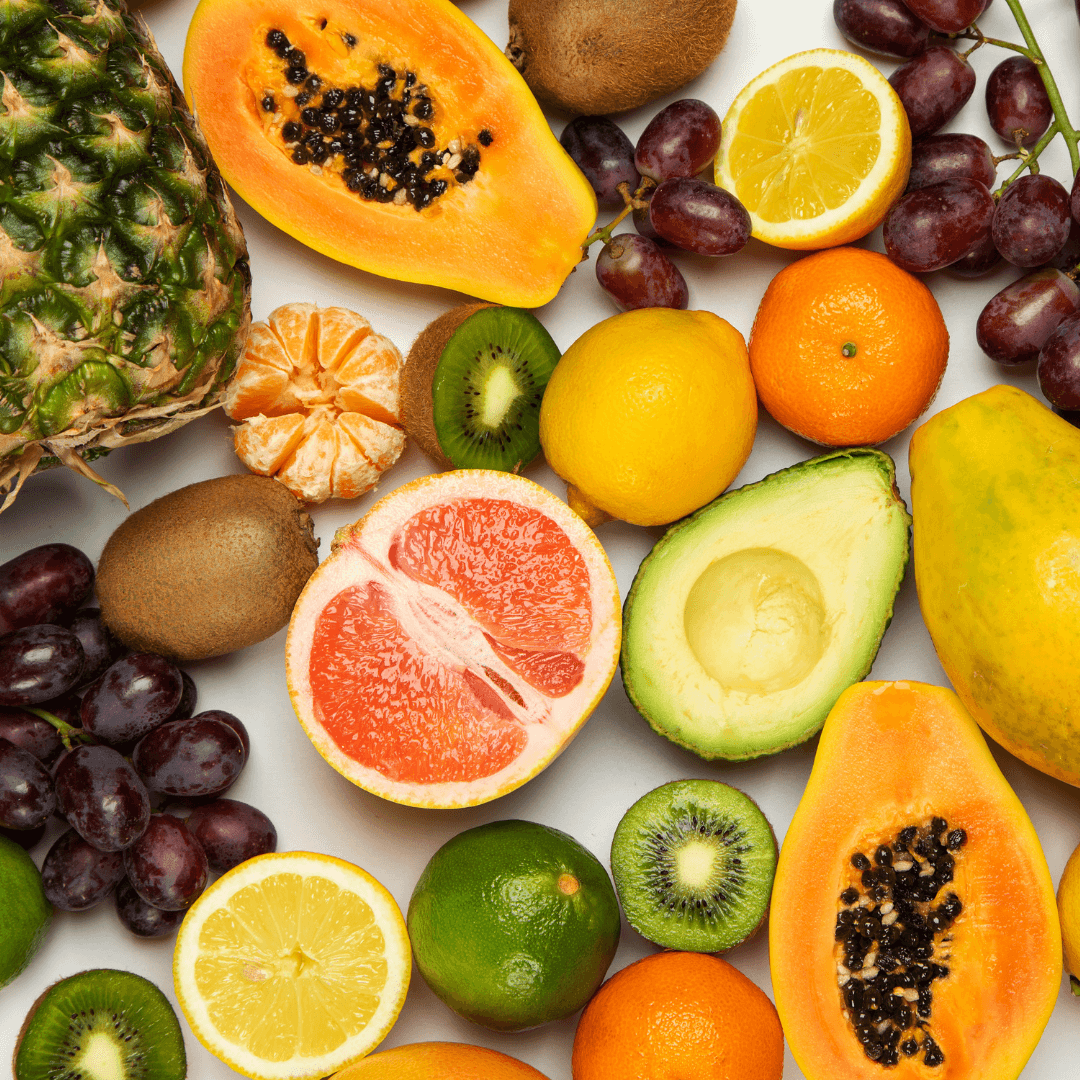
Nature’s candy is rich in anti-inflammatory compounds, including fiber, vitamin C, pectin, polyphenols, and phytochemicals.
While açaí has its superfood reputation, practically all fruit is packed with anti-inflammatory benefits, including apples, cherries, peaches, plums, red grapes, oranges, lemons, and limes. Fresh or frozen fruit is best—many canned fruits contain added sugar.
5) Vegetables
The vegetable world is rich in anti-inflammatory foods. Dark leafy greens like spinach, kale, and collard greens are good sources of fiber, antioxidants, and polyphenols. Broccoli contains sulforaphane, an antioxidant that helps reduce inflammation. Bell peppers contain vitamin C and mushrooms contain compounds called phenols. For an anti-inflammatory meal, you could serve roasted broccoli and tofu scramble made with turmeric over brown rice.
Food is just one factor that could help reduce the symptoms of an autoimmune disorder. Everybody is different, and what works for one person might not benefit someone else. If you are dealing with the symptoms of an autoimmune disease or expect that you may be, it’s best to see your doctor.
Right now, research suggests that more than 35 million Americans are dealing with some sort of chronic lung condition, like asthma or chronic obstructive pulmonary disease (COPD). Research also suggests that more than 650,000 people in the US will be diagnosed with lung cancer at some point in their life. The disease is a leading cause of death in the country, after heart disease and skin cancer.
While lifestyle choices, like smoking cigarettes and vaping, can make lung conditions more likely, other external factors, like rising rates of air pollution around the world, are also putting our lungs—which play a vital role in our respiratory systems—at risk. This is why it’s more important than ever to take care of our lung health. And the good news is that there are many ways to do this.
Reducing stress levels, getting frequent exercise, and attending regular medical check-ups are all important ways to take care of your lungs (as well as quitting smoking or vaping, of course). But the food choices we make can also have a big impact on the health of our lungs. In fact, it turns out: our lungs really like plants.
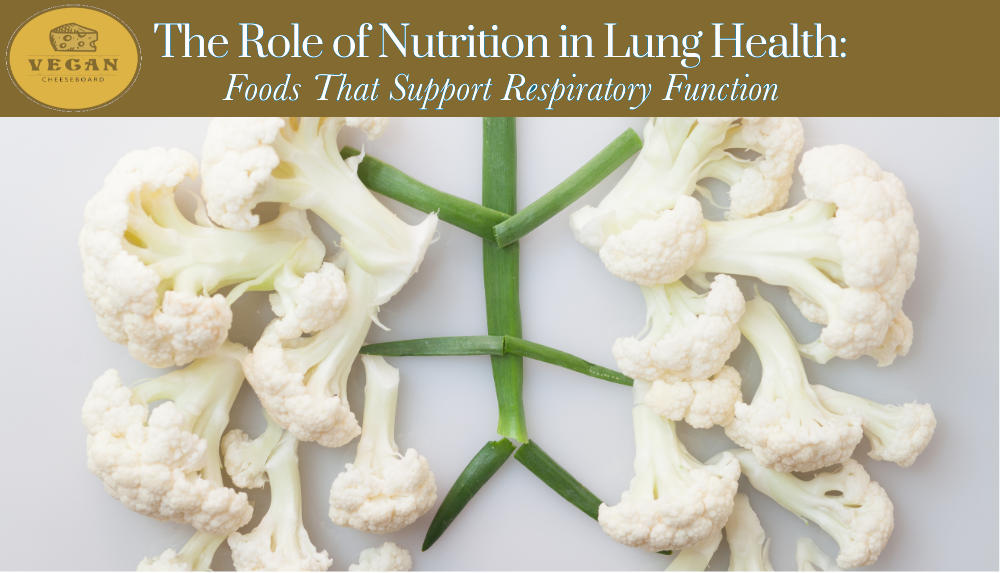
Can a plant-based diet help support lung health?
Research suggests that eating more plant-based whole foods, and fewer processed foods, may help support our lungs. For example, in 2021, research published in The American Journal of Clinical Nutrition concluded that eating more nutrient-dense foods, like fruits and vegetables, and fewer ultra-processed foods was associated with a reduced risk of lung cancer.
This is because plant foods are rich in essential nutrients, like antioxidants, which help to reduce oxidative stress in the body. Over time, oxidative stress can accumulate and increase the risk of chronic diseases, including cancer and COPD.
Lungs are particularly vulnerable to oxidative stress. After all, they are always dealing with toxins and pollutants in the air we breathe. When these harmful particles enter the lungs, they can generate free radicals, which are unstable molecules that damage cells.
But as well as antioxidants, fruits and vegetables (and other plant-based foods, like whole grains and legumes) are also rich sources of dietary fiber. This nutrient can reduce inflammation, but, in a similar way to vitamins and minerals, it also helps to support the immune system, too. A strong immune system is essential for protecting the lungs from infections and diseases like pneumonia and bronchitis.
“Diet can play a major role in lowering the risk of respiratory diseases,” says Ana Reisdorf, MS, RD, founder of the nutrition education platform The Food Trends. “Key nutrients include vitamins C and E, beta-carotene, and selenium. All of which function as antioxidants or have anti-inflammatory properties to protect the health of the lungs. Vitamin C stands out specifically as it helps support immune health.”
Reisdorf added that omega-3 fatty acids, which are found in plant-based foods like walnuts and flaxseeds, are beneficial for those with asthma or COPD, as they help to lower inflammation in the lungs, which, in turn, may improve symptoms.
But just like some foods can help our lungs, others can hinder it. Consuming certain types of meat, for example, may increase the risk of lung-related disease. In 2012, one study published in the National Library of Medicine suggested that a high intake of red meat may increase the risk of lung cancer by 35 percent.
Reisdorf also notes that foods high in trans fats and saturated fats, like processed meat and ultra-processed foods, can increase inflammation in the lungs, while foods high in sulfites, like red wine, could trigger asthma attacks for some people.
“Foods high in salt can also lead to fluid retention and exacerbate breathing difficulties in some individuals,” she added. “Dairy products can increase mucus production for some people, potentially worsening respiratory conditions.”
What foods are good for your lungs?
Lung-healthy foods tend to be high in antioxidants, vitamins, minerals, and fiber, so most plant-based, whole foods will fit the bill. Reisdorf also advises that spices like turmeric and ginger can be beneficial, due to their “anti-inflammatory properties.” On top of this, drinking plenty of water is always a good idea: “Stay hydrated to help keep the airways clear and mucous membranes moist.”
Want to learn more about how to keep your lungs healthy? Check out some of Reisdorf’s top food suggestions below. Plus, we’ve included recipe suggestions for each, too.
Frugal Vegan
1Leafy greens
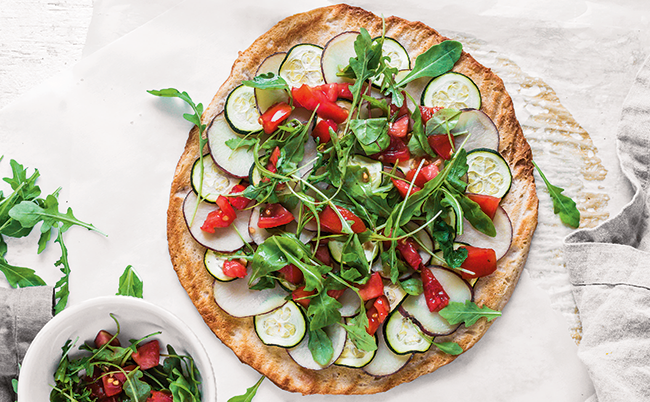
Leafy greens—like spinach, kale, collard greens, and arugula—are packed with vitamins, minerals, and plant compounds that help to reduce inflammation, combat oxidative stress, and improve lung function. They’re also particularly rich in antioxidants, like vitamin C, vitamin E, and beta-carotene. Try it in a recipe: Roasted Potato Zucchini Pizza
2Berries
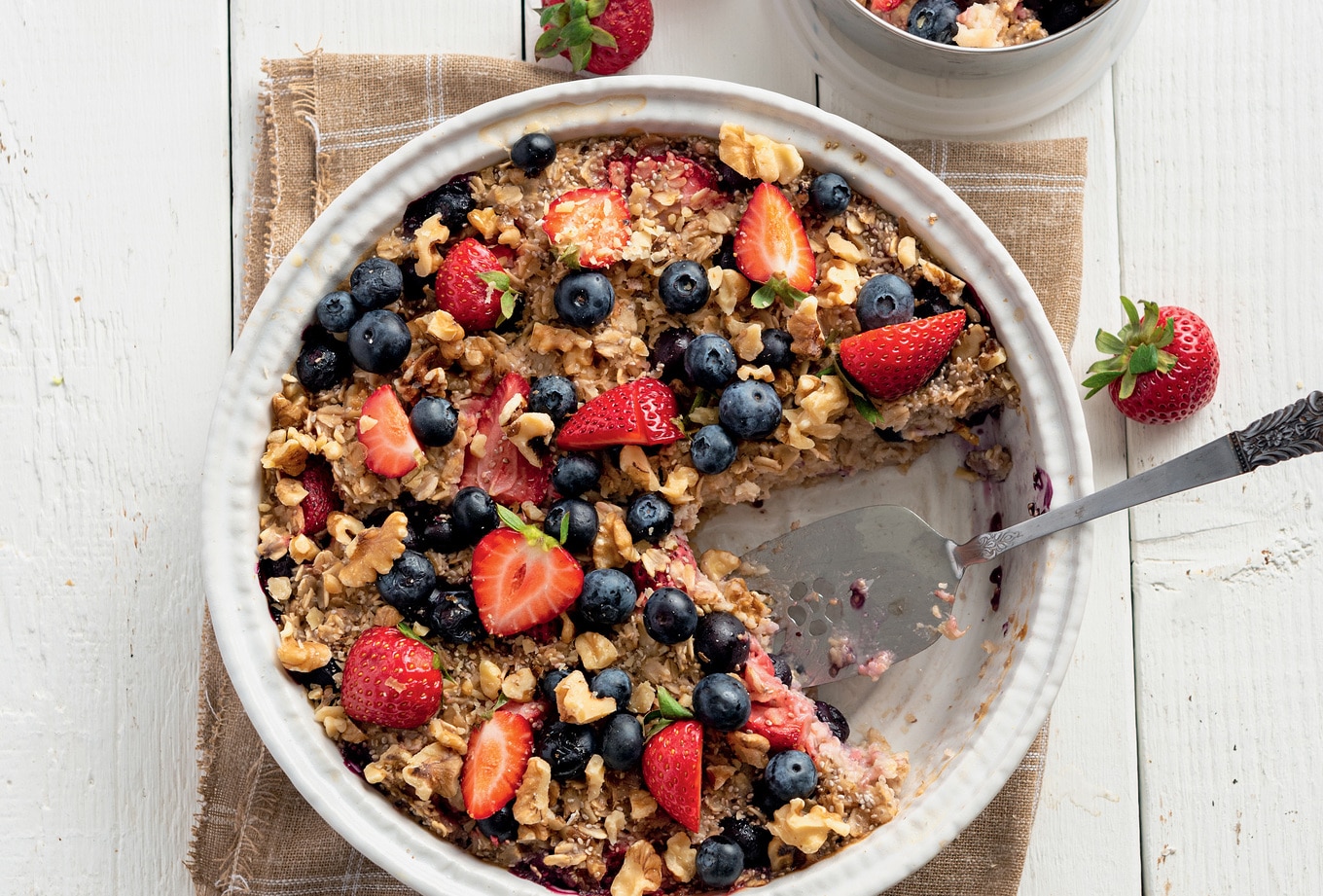
Another plant-based food that is renowned for its “high antioxidant content” is berries, says Reisdorf—think strawberries, blueberries, raspberries, blackberries, and more. All are rich sources of antioxidants and anti-inflammatory compounds that can help support lung function, heal damage, and strengthen the immune system.
3Citrus fruits
“[Eat] oranges and grapefruits for vitamin C,” says Reisdorf. Vitamin C is a powerful antioxidant and immune booster that plays a critical role in protecting lung health. It also has anti-inflammatory properties that help reduce inflammatory markers in the airways, improving breathing and reducing mucus buildup.
4Nuts and seeds
Reisdorf recommends eating plenty of nuts and seeds, like almonds and flaxseeds, for vitamin E. This is another powerful antioxidant that can help to reduce cell damage and inflammation at the same time.
5Whole grains
Whole grains, like brown rice and quinoa, are not just a rich source of fiber, says Reisdorf, but they also contain selenium. This trace mineral works with other antioxidants (like vitamin E) to tackle cell damage, reduce inflammation, and support healthy lung function.
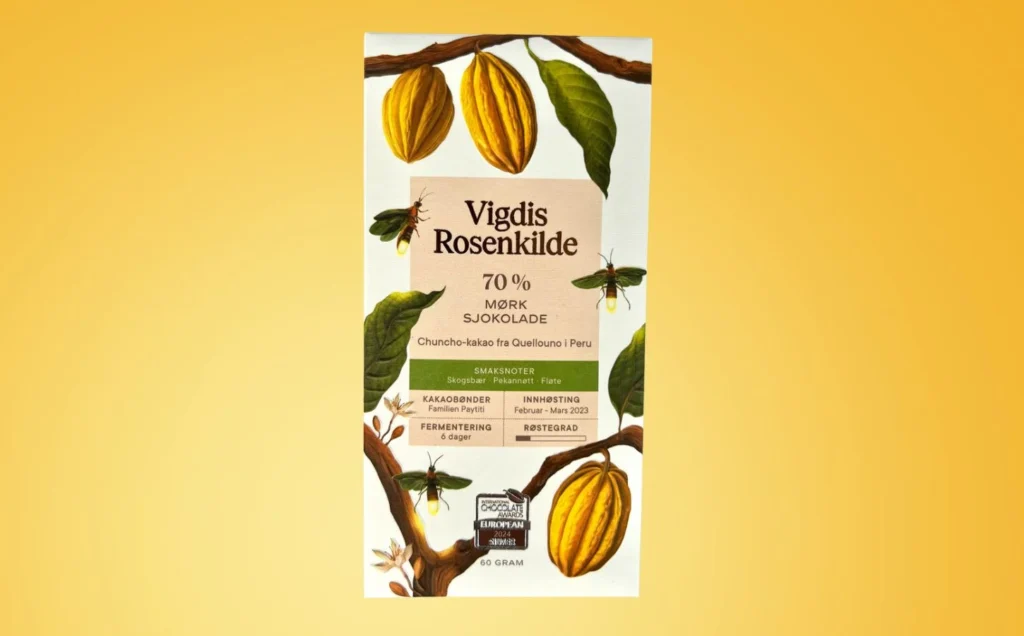
The International Chocolate Awards just named Vigdis Rosenkilde’s 70-percent cocoa Quellouno as the best dark chocolate bar in the world for 2024 – and it’s suitable for vegans.
The awards ceremony is administered by the UK-based International Institute of Chocolate Tasting (IICT), which works to “identify the best chocolate made with the best cocao.” Each year, winners of regional tasting competitions are judged together at a World Final, where Vigdis Rosenkilde’s Quellouno just won first place in category for “plain/origin dark bar.”
Judges gave the Quellouno chocolate bar a particularly high score of 91.7 out of 100. Vigdis Rosenkilde won the same category in 2023 with Kiteni, a different dark bar. Not all of Vigdis Rosenkilde’s products are vegan, so always check the label before buying.
Crafted from the rare Chuncho cocoa, renowned for its floral and fruity essence, this chocolate encapsulates a truly unique taste. Among cocoa varieties, Chuncho stands out as a remarkably aromatic gem—some even consider it the pinnacle of cocoa fragrance. Within the Kiteni district, a particular strain of Chuncho boasts a distinct rose-like flavour. This discovery inspired Rosenkilde to create a chocolate that celebrates this exceptional cocoa variant.
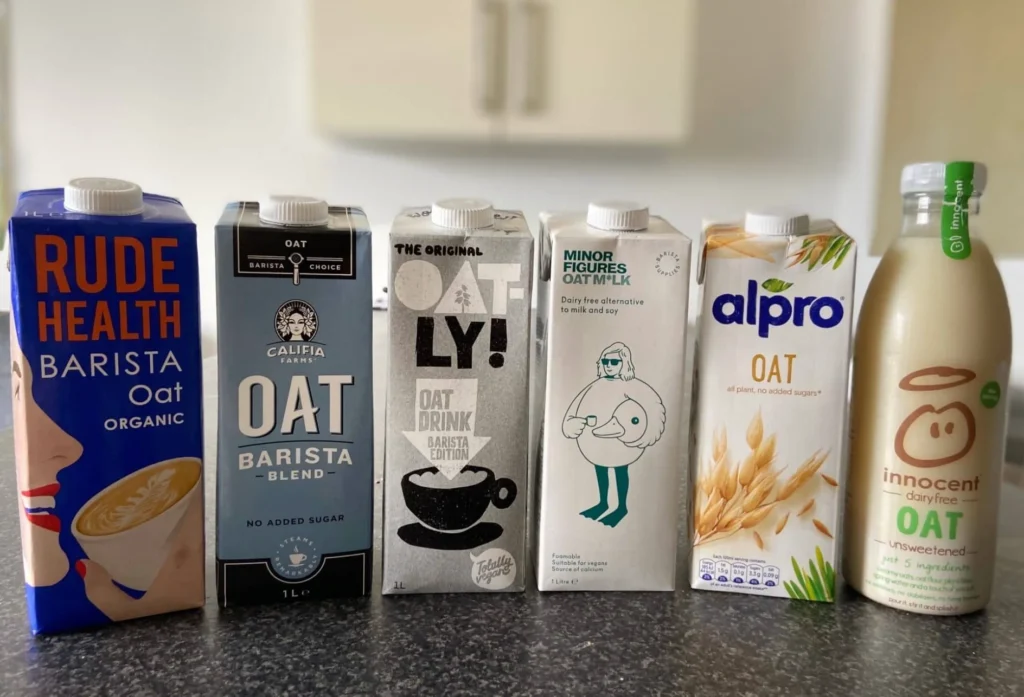
Plant-based milks have come a long way, and different varieties excel in different applications. Let’s break down how to choose the perfect non-dairy milk for your specific needs.
Coffee and Tea For your morning brew, barista versions of oat and soy milk reign supreme. Regular oat milk can separate in hot drinks, but barista blends are specifically formulated to steam well and create silky microfoam. They also have a neutral taste that won’t overshadow your beverage. Soy milk is another excellent choice, offering good heat stability and a creamy texture that mimics dairy milk most closely.
Baking When it comes to baking, soy milk is often your best bet. Its protein content is closest to dairy milk, which helps provide structure to baked goods. For recipes where you want minimal flavour impact, unsweetened almond milk works well too. However, avoid coconut milk unless you want that distinct tropical taste in your final product.
Smoothies and Cold Drinks This is where cashew milk shines. Its rich, creamy texture blends beautifully into smoothies without the sometimes chalky aftertaste of other alternatives. Almond milk is another great option, especially in fruit smoothies where its light, clean taste won’t compete with other flavours.
Cooking and Savoury Dishes For creamy sauces and soups, full-fat oat milk provides excellent body and a neutral flavour profile that works well with both delicate and robust dishes. Coconut milk is perfect for curries and Asian cuisine, though its distinct flavor means it’s not always interchangeable with other milk alternatives.
Cereal and Granola Here’s where personal preference really matters, but almond and oat milk are popular choices. Oat milk’s natural sweetness complements cereals well, while almond milk offers a lighter option that lets the cereal’s flavors shine through.
Weight and Nutrition Considerations If you’re counting calories, unsweetened almond milk typically has the lowest caloric content. For protein content, soy milk leads the pack, making it an excellent choice for those looking to increase their protein intake. Pea milk is another high-protein option that’s gaining popularity.
Creating the Perfect Hot Chocolate For an indulgent hot chocolate, nothing beats oat milk. Its natural sweetness and creamy texture create a rich, satisfying drink that rivals traditional dairy-based versions. Cashew milk is a close second, offering similar richness with a slightly nutty undertone.
The Environmental Factor While all plant-based milks have a lower environmental impact than dairy, oat milk generally requires less water than almond milk and produces fewer emissions than rice milk. If sustainability is your primary concern, oat and soy milk typically have the smallest environmental footprints.
A Note on Fortification Remember that not all plant-based milks are created equal in terms of nutrition. Look for fortified versions that contain calcium, vitamin D, and B12, especially if you’re fully plant-based. Soy and pea milk naturally contain more protein than other alternatives, making them better choices for those concerned about protein intake.
The bottom line? There’s no single “best” plant-based milk – it all depends on how you plan to use it. Keep a few varieties on hand for different purposes, and don’t be afraid to experiment to find your personal favourites. The perfect plant-based milk for your morning coffee might not be the same one you want in your curry, and that’s perfectly fine.
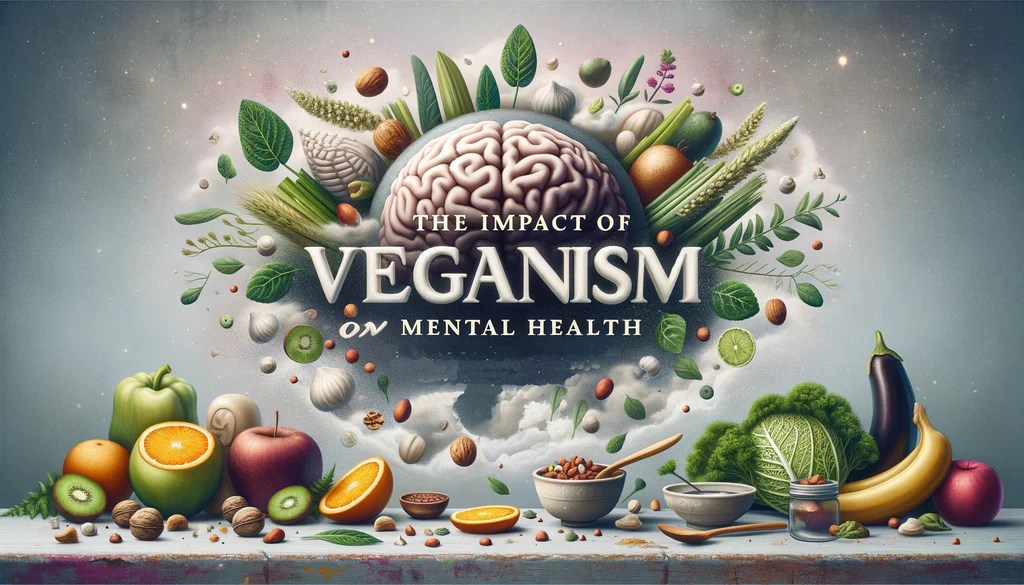
The connection between diet and mental health has become an increasingly important area of research, with particular attention being paid to plant-based diets. As veganism continues to grow in popularity, understanding its potential impacts on mental well-being is crucial for both current vegans and those considering the lifestyle change.
The Potential Benefits
Research suggests that a well-planned vegan diet may offer several mental health advantages. Plant-based diets are typically rich in antioxidants, fiber, and anti-inflammatory compounds, which can positively affect brain function and mood regulation. Studies have shown that consuming more fruits and vegetables is associated with lower rates of depression and anxiety.
The high content of complex carbohydrates in vegan diets can help maintain stable blood sugar levels, potentially reducing mood swings and irritability. Additionally, plant-based foods are rich in folate, which plays a crucial role in producing neurotransmitters that regulate mood.
Nutritional Considerations and Mental Health Risks
However, the relationship between vegan diets and mental health isn’t straightforward. Some potential nutritional deficiencies in poorly planned vegan diets could negatively impact mental health:
Vitamin B12 deficiency, common in vegans who don’t supplement, can lead to depression, anxiety, and cognitive problems
Omega-3 fatty acids, particularly EPA and DHA, which are crucial for brain health
Iron deficiency, which can cause fatigue and affect mood
Zinc, which plays a role in neurotransmitter function
The Social and Psychological Aspects
The impact of a vegan diet on mental health extends beyond nutrition. Social aspects and personal values play significant roles:
Positive Factors
Alignment with personal values can increase self-esteem and reduce cognitive dissonance
Being part of a community with shared values can provide social support
Taking action on environmental and ethical concerns may reduce eco-anxiety
Challenges
Social isolation in situations where vegan options are limited
Potential stress from navigating social situations and explaining dietary choices
Additional mental load from careful meal planning and label reading
Making Veganism Work for Mental Health
For those interested in pursuing or maintaining a vegan diet while supporting mental health, consider these strategies:
Work with healthcare providers to monitor nutrient levels and supplement appropriately
Plan meals to ensure adequate protein, healthy fats, and complex carbohydrates
Connect with vegan communities for social support and practical advice
Prepare for social situations by researching restaurant options and communicating needs
Focus on whole, nutrient-dense foods rather than processed vegan alternatives
Conclusion
The relationship between vegan diets and mental health is multifaceted. While a well-planned vegan diet can support good mental health through various nutritional and psychological mechanisms, careful attention must be paid to potential nutritional deficiencies and social challenges. Success with a vegan diet requires thoughtful planning, proper supplementation, and strong social support systems.
Whether a vegan diet positively or negatively affects mental health largely depends on individual circumstances, implementation, and support systems. As with any significant dietary change, it’s essential to approach veganism with knowledge, preparation, and professional guidance when needed.
The environmental impact of our dietary choices has become an increasingly important topic in the fight against climate change. Veganism, in particular, has been promoted as a way to reduce our environmental footprint. But what does the scientific evidence actually tell us about the relationship between vegan diets and environmental conservation?
Water Conservation
Animal agriculture is one of the most water-intensive industries on the planet. To produce one pound of beef, approximately 1,800 gallons of water are required. This includes:
Water for growing feed crops
Drinking water for livestock
Water for cleaning facilities and processing meat
In comparison, plant-based proteins require significantly less water:
Tofu: 302 gallons per pound
Lentils: 704 gallons per pound
Beans: 552 gallons per pound
Just by switching from beef to plant-based proteins, an individual could save hundreds of thousands of gallons of water per year.
Forest Preservation
Deforestation, particularly in regions like the Amazon rainforest, is directly linked to animal agriculture. The primary drivers are:
Clearing land for cattle grazing
Growing soy for animal feed (about 77% of global soy production goes to livestock)
Research from the World Resources Institute shows that producing 100 grams of protein from beef requires 163 square meters of land, while the same amount of protein from beans needs only 8 square meters. This striking difference demonstrates how shifting towards plant-based diets could significantly reduce pressure on the world’s forests.
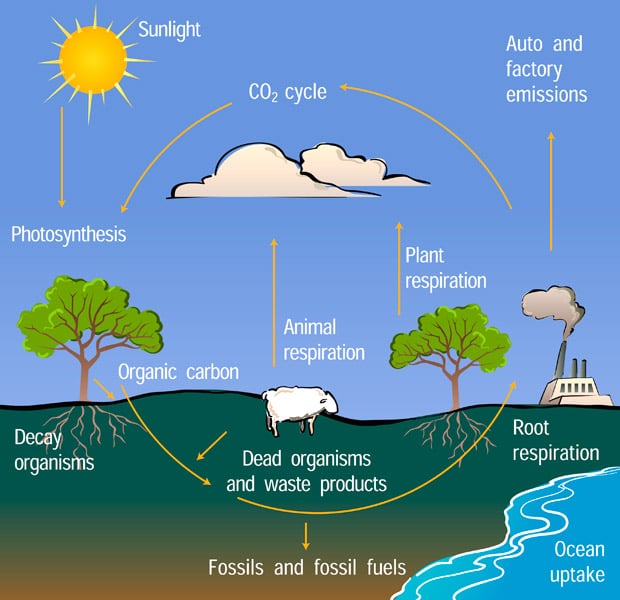
Carbon Dioxide and Greenhouse Gas Emissions
Animal agriculture contributes to greenhouse gas emissions in several ways:
Direct methane emissions from livestock (particularly cattle)
Carbon dioxide from deforestation
Emissions from growing and transporting animal feed
Energy used in processing and refrigeration
According to the UN’s Food and Agriculture Organization, animal agriculture accounts for about 14.5% of global greenhouse gas emissions. A study published in Science showed that producing 100 grams of protein from beef generates about 50 kg of greenhouse gas emissions, while the same amount of protein from peas produces just 0.4 kg.
The Impact of Individual Choice
Switching to a vegan diet can result in significant environmental savings:
Average reduction in personal carbon footprint: 1.5 tons CO2e per year
Water savings: Over 600,000 gallons annually
Land use reduction: About 75% less agricultural land needed
Beyond Individual Actions
While individual dietary choices matter, it’s important to note that systemic changes are also necessary. This includes:
Policy reforms supporting sustainable agriculture
Investment in plant-based food technology
Improved infrastructure for sustainable farming
Education about environmental nutrition
Conclusion
The evidence clearly shows that veganism can indeed help save water, preserve forests, and reduce CO2 emissions. While no single solution will solve our environmental challenges, adopting a plant-based diet represents one of the most impactful individual choices we can make for environmental conservation.
For those considering the switch, remember that even partial changes matter. Starting with “Meatless Mondays” or gradually reducing animal product consumption can make a meaningful difference in your environmental impact.
[All statistics and figures cited in this article are based on scientific research and reports from environmental organizations. For the most current data, readers are encouraged to consult recent environmental impact studies and reports.]
The United Kingdom has undergone a remarkable transformation in its eating habits over the past decade, with veganism moving from the fringes to the mainstream. But does this shift qualify the UK as a “vegan nation”? Let’s dive into the current state of veganism in Britain and what it means for the country’s culinary future.
The Numbers Tell a Story
While the UK isn’t quite a vegan nation in the strictest sense, the statistics reveal a significant shift toward plant-based eating. According to The Vegan Society, the number of vegans in the UK quadrupled between 2014 and 2024. However, vegans still represent only about 2% of the population, with a much larger percentage identifying as “flexitarian” – those who primarily follow a vegetarian diet but occasionally eat meat or fish.
The High Street Revolution
Perhaps the most visible sign of the UK’s vegan evolution can be seen on its high streets. Major chains like Greggs made headlines with their vegan sausage rolls, while Pret A Manger, Costa Coffee, and virtually every major supermarket now offer extensive plant-based ranges. Even traditional pubs have embraced change, with most offering at least one vegan main course.
The British Plant-Based Market
The UK’s plant-based food market has experienced explosive growth. British supermarkets have developed sophisticated vegan ranges, with Tesco, Sainsbury’s, and Waitrose competing to offer the most innovative plant-based products. This has made vegan food more accessible and appealing to non-vegans, contributing to the mainstream acceptance of plant-based eating.
Cultural Impact
The UK’s shift toward plant-based eating reflects broader cultural changes. Environmental consciousness, animal welfare concerns, and health awareness have all contributed to this transformation. British media regularly features vegan content, from cooking shows to documentaries, while social media influencers have helped normalize plant-based lifestyles.
Challenges and Limitations
Despite the progress, calling the UK a “vegan nation” would be premature. Traditional British cuisine, with its emphasis on meat and dairy, remains deeply ingrained in the culture. Many Britons view veganism as admirable but not personally sustainable, and rural areas often lag behind cities in vegan options.
The Future Outlook
While the UK may not be a vegan nation yet, it’s certainly moving in a more plant-based direction. The growing availability of vegan options, continued environmental concerns, and increasing awareness of health benefits suggest this trend will continue. The UK might better be described as a “vegan-friendly” nation – one where plant-based eating is normalized, respected, and increasingly common.
Conclusion
The UK’s relationship with veganism represents a fascinating cultural shift. While it hasn’t become a truly vegan nation, it has emerged as a global leader in plant-based innovation and acceptance. The real story isn’t about the UK becoming completely vegan, but rather about how it has embraced plant-based options as a normal part of its culinary landscape.
This evolution suggests a future where plant-based eating continues to grow, not necessarily converting everyone to veganism, but creating a more inclusive food culture that accommodates all dietary choices. The UK’s journey shows how a nation can adapt its food culture while maintaining its unique culinary identity.
In recent years, the whole food plant-based (WFPB) diet has gained significant attention for its potential to improve both human health and environmental sustainability. Unlike many trending diets that come and go, the WFPB approach is backed by extensive scientific research and aligns with our growing understanding of environmental stewardship.
What Is a Whole Food Plant-Based Diet?
A WFPB diet focuses on consuming foods in their natural or minimally processed state, derived entirely from plants. This includes vegetables, fruits, whole grains, legumes, nuts, and seeds. Unlike a standard vegan diet, which simply excludes animal products, a WFPB diet also eliminates or minimizes processed foods, oils, and refined sugars.
Health Benefits Backed by Science
The health advantages of a WFPB diet are well-documented through numerous scientific studies. Research has shown that people following this dietary pattern typically experience:
Lower rates of heart disease and reduced blood pressure Decreased risk of type 2 diabetes Better weight management Reduced inflammation throughout the body Lower risk of certain cancers Improved digestive health
The magic lies in the combination of fiber, antioxidants, and phytochemicals naturally present in whole plant foods. These compounds work synergistically to support optimal health and protect against chronic diseases.
Environmental Impact
Beyond personal health, adopting a WFPB diet represents one of the most effective individual actions we can take to combat climate change. Consider these environmental benefits:
Reduced greenhouse gas emissions compared to diets including animal products Lower water consumption, as plant foods generally require less water to produce Decreased deforestation, as less land is needed for crop production when we eat plants directly rather than feeding them to livestock Improved soil health through diverse crop rotation
Making the Transition
Transitioning to a WFPB diet doesn’t have to be overwhelming. Start with these practical steps:
Begin by adding more whole plant foods to your current diet Experiment with plant-based versions of your favorite meals Focus on whole food sources of protein like lentils, beans, and quinoa Stock your pantry with healthy staples like whole grains, dried legumes, and nuts Learn to read labels and identify hidden processed ingredients
Common Concerns Addressed
Many people worry about getting adequate nutrition on a WFPB diet. However, with proper planning, this eating pattern can meet all nutritional needs. The only recommended supplement is vitamin B12, which is produced by bacteria and traditionally consumed through animal products.
Protein requirements are easily met through legumes, whole grains, and vegetables. Iron, calcium, and other minerals are abundant in plant foods, and their absorption is often enhanced by the high vitamin C content of this diet.
The Economic Perspective
While some perceive plant-based eating as expensive, a WFPB diet can actually be more economical than a standard American diet. Staples like dried beans, rice, potatoes, and seasonal vegetables are among the most affordable foods available. The long-term healthcare savings from improved health outcomes add another economic benefit.
Looking Forward
As our understanding of nutrition science evolves and environmental concerns become more pressing, the WFPB diet stands out as a solution that addresses both personal and planetary health. By choosing whole plant foods, we invest in our wellbeing while contributing to a more sustainable future.
Remember that any dietary change should be approached thoughtfully and, when possible, with guidance from healthcare providers. The journey toward a WFPB diet is personal, and even small steps toward incorporating more whole plant foods can yield significant benefits for both health and environmental sustainability.




 Canva
Canva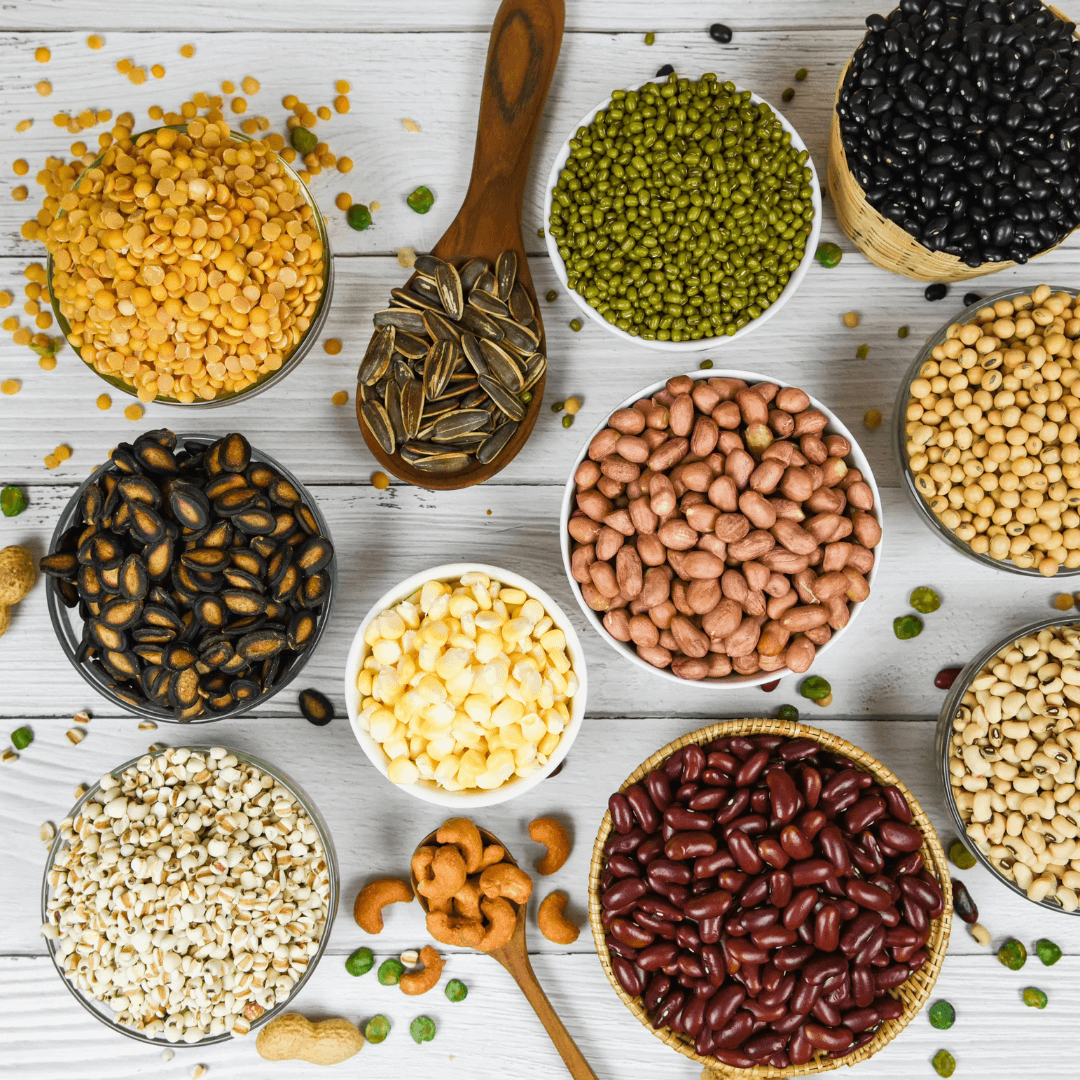




 Vegan Cheeseboard