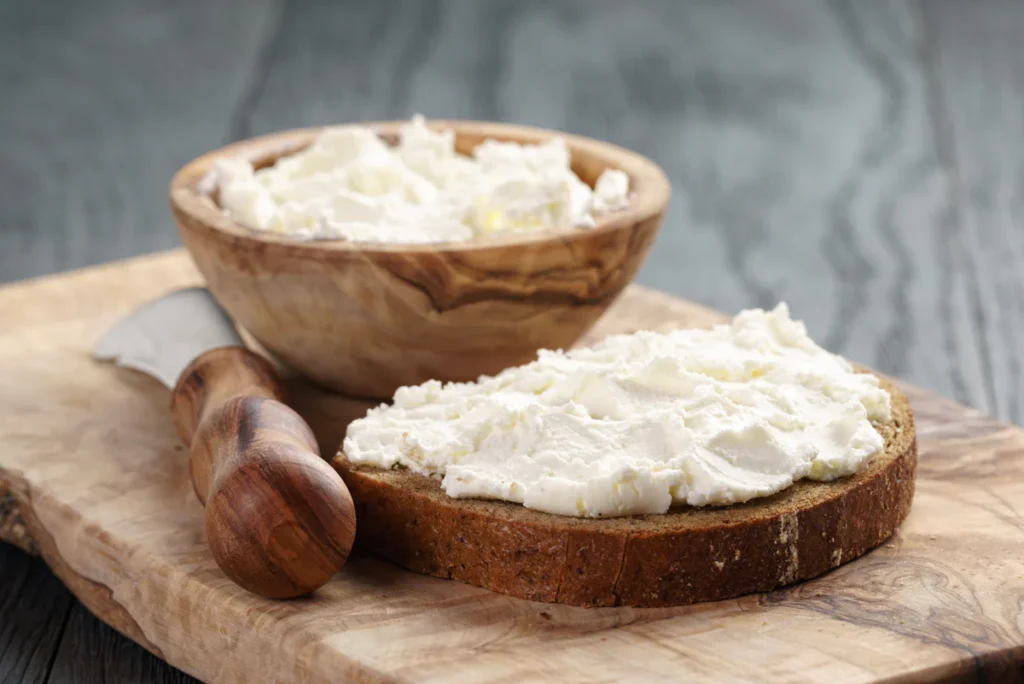
• Great on crackers and toast, this cashew-based healthy spread is about to become your next staple recipe.

    Everyone loves vegan cheese. But making it yourself can seem daunting. But thanks to this recipe from the So Vegan in 5 cookbook—from the team behind So Vegan—vegan cheesemaking is now easier than ever. Whip up this tangy, herby, super-smooth spread using just seven simple ingredients, and your bagels will thank you.

    What you need:

    2¼ cups raw cashews
    2 garlic cloves
    1 tablespoon lemon juice
    ½ tablespoon nutritional yeast
    ½ cup cold water
    ⅛ teaspoon salt
    2 fresh thyme sprigs

    What you do:

    1. Into a small bowl, add cashews and cover with hot water. Leave to soak 20 minutes, then drain.
    2. Into a food processor, add cashews, garlic, lemon juice, nutritional yeast, cold water, and salt. Blend until smooth, scraping down sides periodically. Transfer cream cheese to a serving bowl. 
    3. Remove stems from thyme and add half to cream cheese. Stir until fully combined, then garnish with remaining leaves and serve.
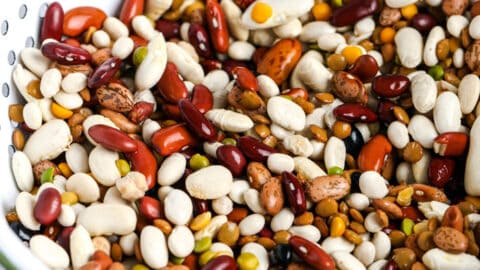
  • From the earliest civilizations to the modern-day kitchen, beans have been the unsung heroes quietly revolutionizing how we eat. Why, you ask? Imagine a single ingredient that’s as versatile as it is nutritious—a powerhouse packed with protein, fiber, and essential nutrients, all wrapped in a humble shell. This little wonder, available in myriad shapes and colors, is not just a staple; it’s a savior for those who embrace plant-based living. Beans in a vegan diet best embody the delicate balance between deliciousness and health, providing a solution to one of humanity’s most pressing dietary dilemmas: how to nourish ourselves and the planet sustainably.

    Picture yourself exploring a world where beans are the star of every meal, transcending cultures and cuisines with their myriad possibilities. They offer not just sustenance, but also a journey through endless culinary landscapes. Imagine Mexican black beans simmering with spices, the comforting warmth of an Italian minestrone, or the exotic richness of an Indian lentil dahl—all possible because of these small but mighty seeds. By weaving together taste, texture, and nutrition, beans make a compelling case for themselves, especially in vegan diets where they shine brightest. As we delve into this blog post, prepare to explore why incorporating beans into a vegan diet might just be the best decision you ever make for your health and taste buds.

    Protein-Packed Goodness: Beans for Plant-Based Diets

    When it comes to plant-based diets, beans are a powerhouse of nutrition. They are a staple in vegan diets for a good reason – their high protein content. Beans not only provide essential nutrients but also offer a wide range of health benefits.

    **Protein-Packed Goodness: Beans for Plant-Based Diets**

    Beans, such as black beans, chickpeas, and lentils, are rich sources of protein, making them an excellent choice for vegans looking to meet their protein requirements. They contain essential amino acids, the building blocks of protein, crucial for muscle repair and growth.

    In addition to their protein content, beans are also high in fiber, which aids digestion and helps maintain a healthy gut. This fiber content can help regulate blood sugar levels and promote a feeling of fullness, making beans a great option for weight management.

    Furthermore, beans are packed with vitamins and minerals, including folate, iron, magnesium, and potassium. These nutrients play vital roles in various bodily functions, such as energy production, blood cell formation, and muscle function.

    **Discover Why Beans in a Vegan Diet Are Simply the Best**

    Incorporating beans into a vegan diet offers numerous benefits. They are versatile ingredients that can be used in a wide range of dishes, from salads and soups to stews and dips. Beans add texture, flavor, and nutritional value to meals, making them a must-have in any plant-based kitchen.

    Whether you are following a vegan diet for ethical, environmental, or health reasons, beans can be your best friend. They are budget-friendly, widely available, and easy to prepare, making them a convenient option for busy individuals looking to maintain a balanced diet.

    In conclusion, beans are a nutritional powerhouse that can elevate the quality of a vegan diet. By including a variety of beans in your meals, you can ensure that you are meeting your protein needs while enjoying delicious and wholesome dishes. So, why wait? Start incorporating beans into your vegan diet today and experience the amazing benefits they have to offer.

    The Nutritional Powerhouse of Beans

    Beans are a nutritional powerhouse in a vegan diet, providing essential nutrients and health benefits. They are rich in protein, fiber, vitamins, and minerals, making them a versatile and valuable ingredient. Whether you enjoy chickpeas, black beans, or lentils, beans offer a wide range of options to incorporate into your meals.

    Protein is crucial in a vegan diet, and beans stand out as an excellent plant-based source. They help meet daily protein requirements while also offering fiber, aiding in digestion and promoting gut health. Additionally, beans are packed with vitamins like folate and minerals such as iron and magnesium, supporting overall well-being.

    Incorporating beans into your meals can be simple and delicious. From hearty bean stews to flavorful bean salads, the options are endless. By including beans in your vegan diet, you not only enhance the nutritional value of your meals but also enjoy their satisfying and filling nature.

    Make beans a staple in your vegan diet to experience their nutritional benefits and culinary versatility.

    Fiber-Rich Benefits of Including Beans in Your Diet

    Essential Nutrients Found in Beans

    Beans: The Versatile Ingredient for Creative Vegan Cooking

    Exploring Culinary Delights with Different Varieties of Beans

    Beans as Sustainable Food Choices for a Healthier Planet

    Eating Beans for Better Health: Scientifically Proven Advantages

    Embracing the Bean Lifestyle: Tips and Tricks for Easy Incorporation

    In Conclusion: Beans – The Ultimate Superfood for Your Vegan Journey

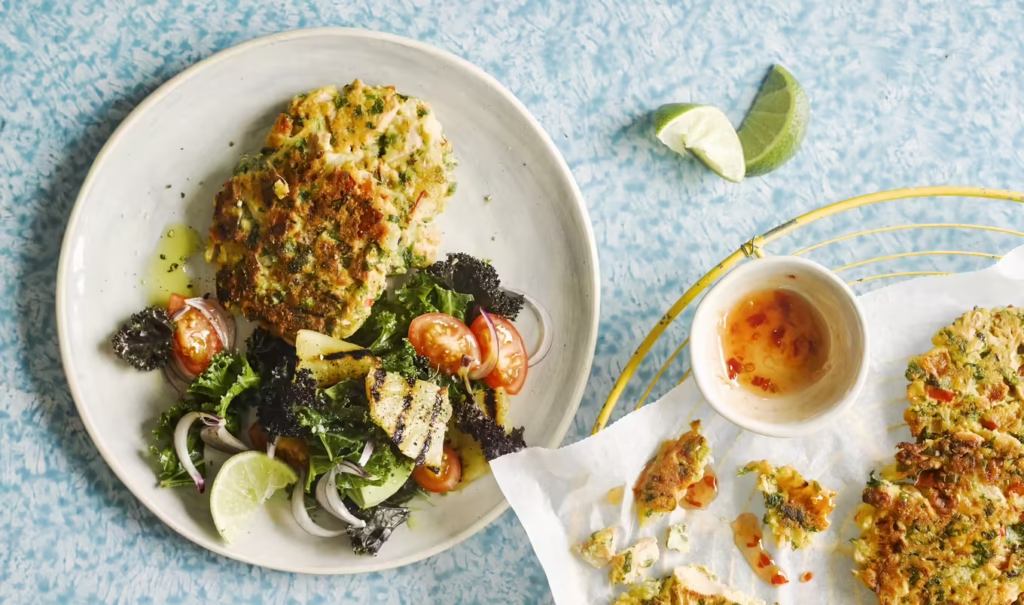
  • This take on Caribbean fish fritters uses meaty shredded jackfruit for a fishy stand-in. 
    These gluten-free patties from Rachel Ama’s Vegan Eats cookbook get their fishy taste from nori flakes and soy sauce, and pack in fresh flavor with bright lemon juice and herbs such as cilantro and parsley.

    What you need:

    1 (15-ounce) can jackfruit, drained and rinsed
    3 tablespoons soy sauce
    2 tablespoons nori flakes
    2 tablespoons lemon juice, divided
    1 onion, finely chopped
    2 spring onions, finely chopped
    2 large tomatoes, finely chopped
    2 mild red chillies, deseeded and finely chopped
    3 garlic cloves, finely chopped
    1 teaspoon dried thyme
    ½ cup cilantro, finely chopped
    ½ cup parsley, finely chopped
    1 teaspoon baking powder
    1½ cup chickpea flour
    ½ cup water
    ½ teaspoon salt
    ½ teaspoon black pepper
    Vegetable oil, for frying
    Sweet chili sauce, for serving

    What you do:

    Fry in batches, using a little more oil as needed and keeping warm on a baking sheet in oven on a low heat. Serve with sweet chili sauce.

    Using clean hands, break jackfruit into small pieces, removing any tough stems, and place in a medium bowl with soy sauce, nori flakes, and 1 tablespoon of lemon juice. Mix well to combine, then cover bowl with a plate and set aside.

    In a large bowl, combine onion, spring onions, tomatoes, chillies, garlic, thyme, and remaining lemon juice. Add jackfruit mixture, cilantro, and parsley and mix well. In a separate medium bowl, add baking powder, chickpea flour, and water, and mix thoroughly. Add salt and pepper and mix again. Add jackfruit mixture and mix until well combined. Divide mixture into eight balls and shape with hands into small flat cakes, each about ¼-inch thick.

    Into a large skillet over medium heat, pour enough oil to coat bottom. Carefully place as many cakes as will fit in a single layer in pan without touching. Cook 5 minutes, until golden brown on bottom, then turn over and cook another 5 minutes until crisp and cooked all the way through. 

    Source: Veg news

  • Discover how you can save money on healthy snacking with these quick and easy recipes recommended by our in-house dietitian
    The market for vegan snacks has boomed and today there are so many commercial products available, from Fridge Raiders to Graze boxes, fancy nuts with posh seasonings to cereal bars with hundreds of flavours. But these products can often be pricey, and despite clever marketing, are often quite unhealthy, packed with added sugar and salt. The good news is we can easily create vegan snacks on a budget using just a few handy ingredients.

    1. Crunchy baked chickpeas
      Chickpeas are a fabulous source of quality protein, so swapping a bag of seasoned nuts for some crunchy chickpeas makes a worthy saving, with a tin of chickpeas costing around 54p. The good news is that opting for this cheaper alternative doesn’t mean you have to sacrifice nutritional value, because just like nuts, chickpeas are also a great source of iron and zinc. Check out this recipe from Sustainable Kitchen, featuring a savoury and sweet version of crunchy baked chickpeas to tickle your taste buds.crunchy chickpeas in a bowl
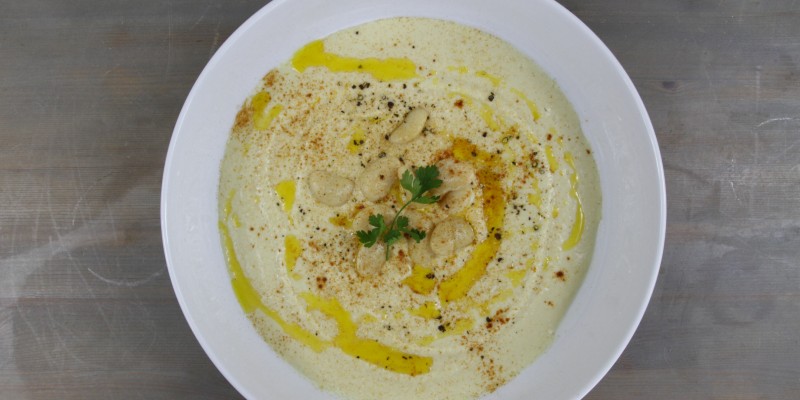
    1. Butter bean hummus
      Butter beans are a must-have in your kitchen cupboard, perfect for adding to any soup, stew or salad dish. They are so versatile and pair well with most sauces; whether that be a creamy butternut squash blend, or a spicy tomato dip, these butter bean beauties are sure to work a treat. Check out this butter bean hummus recipe, which makes a more delicious and creamier alternative to a pricey shop-bought hummus.
    1. Vegetable crisps
      It’s difficult to walk down the snack aisle nowadays and not see a bag of root vegetable crisps, which usually sit with other hand-cooked goods with premium price tags. It’s astonishing to think that you can actually make your own from your household food waste. Check out this recipe to learn how to make your own vegetable crisps, using the scraps from family meals – reducing food waste and creating a free snack in the process.

    Serves 4

    Ingredients
    2 carrots
    2 parsnips
    4 bulbs of fresh beetroot
    1 sweet potato
    1 potato
    15 ml rapeseed oil
    Method
    When peeling your vegetables, save the skins in an airtight container in the fridge. If you’re feeding a family, one mealtime could create enough crisps; if not keep adding to this throughout the week.
    Once you have a full container, wash the skins in a colander, drain and place on a lined baking tray. Drizzle with a little rapeseed oil and a pinch of salt and pepper.
    Place in an oven preheated to 200 °C for 10 minutes until crisp (recipe works just as well in an air fryer).
    Once cooked transfer onto a paper towel or muslin cloth to absorb some of the oil, and leave to cool for 5 minutes before devouring.
    Vegetable crisps in a bowl

    Pink plate with a stack of pancakes topped with black and red berries and maple syrup
    1. Lentil pancakes
      Red split lentils are a must-have staple on a vegan diet: easily accessible, cheap, and recipe possibilities are endless. Although red lentils don’t usually require soaking, this recipe puts a different spin on a savoury pancake, using soaked red lentils to make a pancake batter. These easy pancakes are a perfect high-protein, gluten-free snack, complete with a herby-licious dip.

    Serves 4 (makes eight 12 x 12 cm pancakes)

    Ingredients
    1 cup/150 g red lentils (soaked in cold water overnight)
    360 ml cold water
    1 thumb-sized piece of fresh ginger (use 1 tsp dried ginger if preferred)
    2 cloves of garlic (use 1 tsp garlic powder if preferred)
    1 bunch of coriander
    15 ml rapeseed oil
    1 bunch of fresh mint leaves
    ½ cucumber
    1 large pot of soya yoghurt
    Method
    To make the batter, rinse and drain the lentils, then add to the blender with 250 ml of the cold water, along with the ginger and garlic.
    Once smooth, add the coriander leaves and the remaining 110 ml of water and blend again.
    Heat the oil in a pan over a medium high heat, and brush the oil evenly to the edges of the pan. Using a ladleful at a time, carefully place the batter mixture into the pan, searing the pancakes each side for 4–5 minutes.
    Chop the mint leaves, grate the cucumber and mix with the soya yoghurt.
    Serve the pancakes with the yoghurt dip and enjoy.

    1. Raspberry nice cream
      Are you a lover of ice cream who wishes that your favourite treat could be a little bit healthier? Well, look no further. This nice cream is an alternative that provides a creamy texture and is very refreshing – perfect for those summer days that will soon be upon us! One serving contributes one to two portions of your five-a-day and can be eaten as a snack or dessert. It can be made in less than 15 minutes (excluding freezing time) and makes use of ingredients that you may already have on hand.

    Serves 2

    Ingredients
    1 cup/2 handfuls of frozen raspberries
    2 frozen bananas (chopped into slices) *
    Approx. 2 tbsp soya milk
    Method
    Add the frozen bananas and the frozen raspberries into the blender/food processor and add the milk gradually until you get a smooth ice cream-like consistency.
    Serve and enjoy!
    *Please note that this recipe works best with bananas that have been frozen for 1 to 2 days.

    1. No-bake peanut butter cocoa balls
      This recipe is perfect for the peanut butter lovers amongst us! Peanut butter is packed with plant protein and healthy fats. With ingredients that aren’t usually too costly and many of us may already have in our pantry, these peanut butter balls can be made in less than 15 minutes, perfect for satisfying those hunger pangs you may have in the middle of the day.

    Serves 4

    Ingredients
    3 tbsp peanut butter
    3 tbsp oats
    2 tsp dark cocoa powder
    1 tsp brown sugar
    Method
    In a bowl mix all the ingredients together until combined.
    Separate into 6 equal amounts and roll into small balls.
    Place on a plate and chill until ready to eat!

    Source: Vegan Society

  • Gone are the days when being vegan meant missing out on the sophisticated pleasure of a wine and cheese evening. The plant-based cheese market has evolved dramatically, offering complex, artisanal options that rival their dairy counterparts. Here’s your guide to creating the perfect vegan cheese and wine pairings that will impress both plant-based enthusiasts and traditional cheese lovers alike.

    Aged Cashew Cheese & Bold Reds

    Cultured cashew cheeses that have been aged develop deep, complex flavors with subtle nutty undertones. These sophisticated alternatives pair beautifully with full-bodied red wines. Try a properly aged cashew cheese with a robust Cabernet Sauvignon or Malbec. The wine’s tannins complement the cheese’s rich, earthy notes while the fruit-forward characteristics create a delightful contrast.

    Fresh Almond Ricotta & Crisp Whites

    Light, creamy almond-based ricotta offers a delicate flavor profile that shines when paired with crisp white wines. A chilled Pinot Grigio or Sauvignon Blanc works wonderfully here. The wine’s bright acidity and citrus notes cut through the cheese’s creaminess, while its subtle mineral qualities enhance the ricotta’s clean, fresh taste.

    Smoked Coconut Gouda & Oaked Chardonnay

    Coconut-based cheeses, especially those smoked to mimic Gouda, have a unique depth that calls for wines with similar complexity. An oaked Chardonnay makes an excellent companion, its buttery notes and vanilla undertones harmonizing perfectly with the cheese’s smoky character. The wine’s full body stands up to the cheese’s rich texture without overwhelming it.

    Fermented Tofu Blue & Sweet Dessert Wines

    For those who enjoy bold flavors, fermented tofu blue cheese alternatives offer that characteristic sharp, tangy profile. These intense cheeses pair beautifully with sweet dessert wines like Port or Sauternes. The wine’s sweetness provides a perfect counterpoint to the cheese’s pungent character, creating a balanced taste experience.

    Herb-Crusted Macadamia Brie & Light Reds

    Soft, creamy macadamia-based brie-style cheeses, especially those crusted with herbs, call for lighter red wines. A Pinot Noir or Beaujolais works wonderfully here. These wines offer enough structure to complement the cheese without masking its subtle herbaceous notes.

    Tips for the Perfect Pairing Experience

    1. Serve your vegan cheeses at room temperature to allow their full flavor profiles to develop
    2. Consider the cheese’s base ingredients when selecting wines – nut-based cheeses generally pair well with bolder wines than soy-based alternatives
    3. Don’t forget the accompaniments – fresh fruits, crackers, and nuts can enhance both the cheese and wine
    4. Start with lighter pairings and move to stronger flavors throughout your tasting

    Final Thoughts

    The world of vegan cheese continues to expand, offering increasingly sophisticated options for wine pairing. Don’t be afraid to experiment with different combinations – you might discover your own perfect match. Remember that personal preference plays a significant role in pairing success, so use these suggestions as a starting point for your own exploration into the exciting world of vegan wine and cheese pairing.

    Whether you’re hosting a dinner party or enjoying a quiet evening in, these pairings prove that plant-based alternatives can provide all the sophistication and pleasure of traditional wine and cheese experiences, while opening up new and exciting flavor combinations to discover.

  • Most wine enthusiasts don’t realize their favorite bottles may not be vegan. Traditional wine production often uses animal-derived fining agents like isinglass (fish bladders), casein (milk protein), gelatin, and egg albumen to remove unwanted particles and clarify the wine.

    Fortunately, many winemakers now use vegan alternatives like bentonite clay, activated charcoal, and limestone. These achieve the same clarifying effect without animal products.

    To find vegan wines:

    • Look for “unfined” or “unfiltered” on the label
    • Check for “vegan-friendly” certification
    • Research producers who exclusively use vegan fining agents
    • Use apps like Barnivore to verify vegan status

    Notable vegan wine producers include Layer Cake, Yellow Tail (most varieties), and Frey Vineyards. Many natural wines are also vegan by default, as they skip the fining process entirely.

    Remember: Just because a wine contains no animal ingredients doesn’t mean it’s automatically labeled as vegan. When in doubt, contact the producer directly or consult vegan wine directories.

    Vegan wines are made without animal-derived fining agents traditionally used to remove particles and clarify wine. Common non-vegan fining agents include:

    • Isinglass (from fish bladders)
    • Gelatin (from animal bones)
    • Casein (from milk)
    • Albumin (from egg whites)

    Vegan alternatives use:

    • Bentonite clay
    • Activated charcoal
    • Plant proteins like pea protein
    • Carbon
    • Cross-flow filtration (no fining agents)

    Many wines are naturally vegan but aren’t labeled as such. Look for “unfined” wines or check producer websites. Popular vegan wine brands include Frey Vineyards, China Bend, and Lumos Wine Co.

  • Vegan chocolate has evolved from a niche alternative to a mainstream delight, offering all the richness and complexity of traditional chocolate without any animal-derived ingredients. This comprehensive guide explores the world of vegan chocolate, its production, varieties, and rising popularity.

    Understanding Vegan Chocolate

    Pure chocolate, derived from cacao beans, is naturally vegan. However, many commercial chocolate products contain milk, butter, or other dairy ingredients. Vegan chocolate maintains the essence of chocolate while ensuring all ingredients and processes remain plant-based.

    Core Ingredients

    Quality vegan chocolate typically contains:

    Cacao beans or cocoa powder

    Cocoa butter (the natural fat from cacao beans)

    Plant-based sweeteners (like cane sugar or coconut sugar)

    Natural vanilla

    Plant-based emulsifiers (such as sunflower lecithin)

    Types of Vegan Chocolate

    The market offers various vegan chocolate options:

    Dark Chocolate: Most dark chocolate above 50% cacao is naturally vegan

    Raw Chocolate: Made from unroasted cacao beans, maintaining natural enzymes

    Milk Chocolate Alternatives: Using plant-based milk like almond, oat, or rice milk

    White Chocolate Alternatives: Made with cocoa butter and plant-based milk

    Filled Chocolates: Containing nuts, fruits, or plant-based creams

    Production Process

    The vegan chocolate-making process includes:

    Bean selection and roasting

    Grinding and conching

    Tempering for shine and snap

    Addition of plant-based ingredients

    Molding and packaging

    Nutritional Benefits

    Vegan chocolate, especially dark varieties, offers several health benefits:

    High in antioxidants

    Rich in minerals like iron and magnesium

    Contains beneficial flavonoids

    Lower in sugar than milk chocolate

    Free from cholesterol

    Often lower in calories

    Environmental Impact

    Vegan chocolate production typically has a lower environmental footprint:

    Reduced water consumption compared to milk chocolate

    Lower carbon emissions

    Often aligned with sustainable farming practices

    Frequently supports fair trade initiatives

    Common Substitutions

    Vegan chocolatiers use creative alternatives for traditional ingredients:

    Coconut milk for dairy cream

    Nut butters for milk solids

    Dates or maple syrup for honey

    Plant-based proteins for milk proteins

    Cooking with Vegan Chocolate

    Vegan chocolate performs excellently in baking and cooking:

    Melts smoothly for dipping and coating

    Works well in ganaches and truffle fillings

    Maintains stability in baked goods

    Can be tempered for professional finishes

    Quality Indicators

    High-quality vegan chocolate should have:

    A glossy appearance

    Clean snap when broken

    Smooth mouthfeel

    Complex flavor profile

    No waxy or grainy texture

    Storage Tips

    To maintain quality, vegan chocolate should be:

    Stored in a cool, dry place (65-70°F)

    Protected from direct sunlight

    Kept away from strong odors

    Properly sealed to prevent moisture

    Market Growth and Innovation

    The vegan chocolate market continues to expand with:

    New flavor combinations

    Innovative production techniques

    Improved milk chocolate alternatives

    Artisanal and craft producers

    Mainstream manufacturers entering the market

    Ethical Considerations

    Many vegan chocolate producers also focus on:

    Fair trade practices

    Direct trade relationships with farmers

    Sustainable farming methods

    Plastic-free packaging

    Worker welfare

    Conclusion

    Vegan chocolate has proven that plant-based alternatives can match or exceed traditional chocolate in quality, taste, and versatility. As consumer awareness grows and technology advances, we can expect continued innovation in this exciting sector of the confectionery market.

  • First, let’s look at leading UK vegan cheese brands and their popular products:

    Violife

    – Their most popular products include Greek White (feta-style), Epic Mature Cheddar, and cream cheese alternative

    – Made primarily from coconut oil and potato starch

    – Widely available in major supermarkets like Tesco, Sainsbury’s, and ASDA

    – Epic Mature Cheddar: Strong, sharp flavour that develops over time. Firm texture that slices and grates well. Good meltability for toasties and pizzas. Some find the coconut oil base slightly noticeable.

    – Greek White (Feta): Crumbly texture similar to dairy feta. Good saltiness, though milder than traditional feta. Works well in salads and Mediterranean dishes. Tends to soften quickly at room temperature.

    – Cream Cheese: Smooth, creamy consistency. Mild flavour that works well as a base for dips. Slightly sweet undertone. Can be grainy if spread too cold.

    Applewood Vegan

    – Their smoked vegan cheddar has won multiple awards

    – Made from coconut oil and fortified with B12 and calcium

    – Available in most major UK supermarkets

    – Smoked Cheddar: Standout smoky flavour that’s very close to their dairy version. Excellent meltability. Good firm texture for slicing. The smoke helps mask any coconut oil taste.

    – Mature Block: Rich, tangy flavor. Firmer texture than many vegan cheeses. Good for grating but can be slightly crumbly when cutting.

    Sheese

    – Scottish company offering a wide range of styles including Blue, Gouda, and Mozzarella

    – Made from coconut oil and soya protein

    – Strong presence in health food shops and some supermarkets

    – Blue Style: Strong, distinctive flavour that’s quite close to dairy blue cheese. Crumbly texture. Works well in salads and sauces. Can be overwhelming for some.

    – Mozzarella Style: Good stretch when melted. Mild flavour that’s less creamy than dairy mozzarella. Works well on pizza but can become slightly rubbery if overcooked.

    – Gouda Style: Sweet, nutty flavour. Firm texture good for slicing. Doesn’t melt as well as some other varieties.

    Follow Your Heart

    – Known for their grated parmesan alternative and sliced provolone

    – Available in specialty stores and some larger supermarkets

    – Parmesan Style: Good strong, salty flavour. Grates well. Slightly grainy texture compared to dairy parmesan but works well as a topping.

    – Provolone Slices: Mild flavor that’s good for sandwiches. Melts reasonably well. Texture can be slightly waxy when cold.

    Supermarket Own Brands

    – Tesco’s Plant Chef range includes affordable vegan cheese options

    – Tesco Plant Chef: Basic but acceptable flavour. Tends to be firmer and less melty than premium brands. Good budget option for everyday use.

    – Sainsbury’s Free From range offers various cheese alternatives

    – ASDA and Morrisons both have their own vegan cheese lines

    – Sainsbury’s Free From: Better than average store brand. Their Greek-style particularly good value. Mature cheddar can be quite sharp.